An incoming-partner study, built around Linh’s experience
We bring market research and growth ideas. Linh leads the culinary and operating direction. Our menu, service and activity hypotheses are gathered in a learning section so we can understand her existing approach and refine our contribution.
*Illustrative operating result after turnover-tax reserve; before income tax, depreciation, financing and distributions. Capacity is reported, not measured. Listed spending: 2,013.49m VND. Unpaid commitments and opening cash remain to be confirmed.
BLUEFIN combines omakase and private dining upstairs with cocktails, handrolls and small dishes downstairs. Omakase is a core part of the concept and revenue model. Linh and her culinary team lead the menu, the counter experience and the balance between the two floors.
The bar can bring more frequent visits and incremental drink sales. The counter and private room depend on trust in the chef, a clear total price and a reliable reservation experience. Neither floor should be used to assume unlimited revenue from the other: extra downstairs orders are counted only when paid separately.
COMMERCIAL PRIORITIES
Acquisition, return visits and contribution
Initial demand development combines three complementary channels: Linh’s Japanese hospitality network, Chinese-language community relationships and Vietnamese creator partnerships. Linh leads Japanese guest development, drawing on her experience with other omakase and KTV venues. The growth team leads Chinese outreach and Vietnamese creator relationships. The useful result is an attended, paid visit—not reach alone. Private dining gives business hosts a specific occasion to book; handrolls provide a lower-commitment first visit.
We want to learn what already drives repeat visits in Linh’s venues and how our outreach can support BLUEFIN. Our operational and menu ideas are collected in Partner learning. Opening investment and the remaining cash requirement are separate from the monthly model.
PROJECT ROLES
Culinary direction & commercial contribution
Linh leads the culinary concept and menu with her chefs, including the omakase experience. Our contribution is market research, commercial ideas and customer development. We can bring feedback on Chinese-speaking guests’ preferences and suggest tastings or pairings for Linh to assess.
THE VENUE
The venue
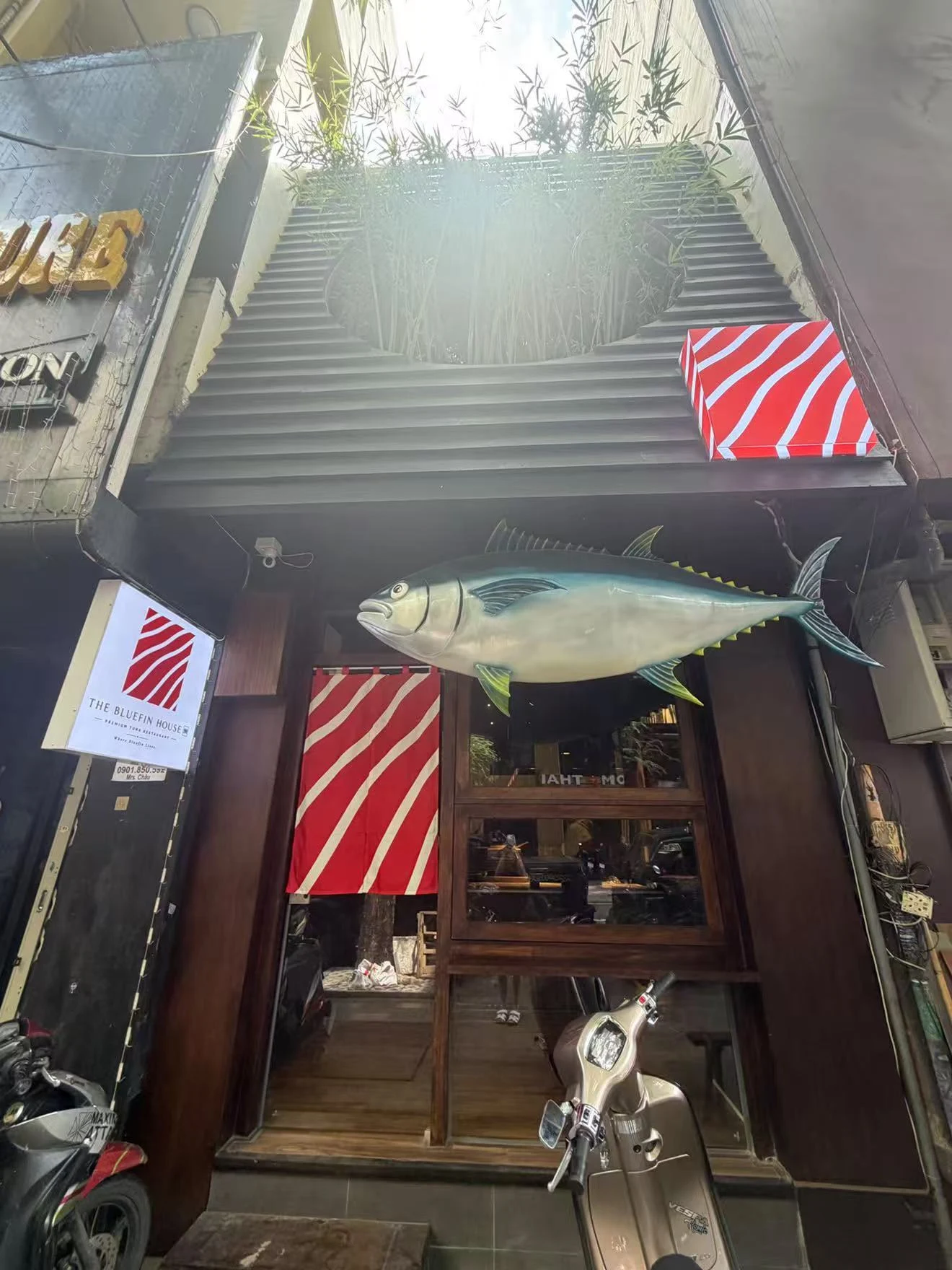
Reported layout and project images. Our service hypotheses are collected under Partner learning.
REPORTED FORMAT
Handroll & cocktail bar
~10 standing guests + 3–4 chairs
Cocktail bar with handrolls and finger food.
The opening menu is led by Linh and her team.
Made-to-order handroll format.
No pavement revenue included in the model.
REPORTED FORMAT
Counter + private room
10 + 6–8 counter seats / private guests
Omakase counter led by Linh’s culinary team.
Private dining room for 6–8 guests.
Service duration and sittings remain model assumptions.
The model separates counter and private-room revenue.
Outdoor use, measured capacity and operating hours require confirmation. Interior images are design renders.
Service checks before opening
Purchasing
Cost usable yield. Log receiving temperatures and allocate fish by service zone.
Timing
Test first handroll within 8 minutes and a full counter reset between sittings.
Daily review
Track recipe usage, waste, spend, cancellations and staff hours. Initial goods-cost assumptions: 30% bar / 38% upstairs.
THE BLUEFIN HOUSE · CULINARY PROPOSAL
Menu & concept
A working direction grounded in the conversation with Jessy and current menu research in HCM.
MENU DIRECTION · STRATEGIC WORKING PROPOSAL
Build a reason to choose BLUEFIN. And a reason to return.
A tuna-led Japanese house: a clear à la carte offer downstairs, a focused lunch to test, and a chef-led omakase upstairs. One identity, with different spending levels and occasions.
Illustrative concept · not BLUEFIN dishes
A discussion framework for incoming partners, drawing on the conversation with Jessy, current restaurant research and the existing planning model. Linh, Jessy and the culinary team bring operating experience and retain menu leadership. This proposal organises what we need to understand and test together; it does not prescribe an approved menu.
THE BUSINESS OBJECTIVE
Become a preferred tuna address for a defined audience in D1.
The goal is not to sell every Japanese dish or to assume that every visitor wants a luxury tasting. It is to make the offer understandable within seconds, deliver it consistently, and earn enough contribution from each service to support the venue. A memorable bowl can bring a first visit; a well-priced dinner and a convincing counter experience give the business reasons to last.
58%Upstairs share in the base modelCounter + private dining; a planning output, not actual sales.10Physical omakase seatsThe working capacity assumes two sittings; it still needs service validation.480kDownstairs average receiptVND ≈ €16 · model assumption, including food and drinks.30Days proposed for the first validation cycleA test sequence, not a guaranteed opening timetable.
Read the rationale, then test the choices.
01Why choose this directionBrand coherence, existing competition and a selective market+
A tuna focus fits the name, the installation at the entrance and the product expertise discussed in the project. It can connect the sign, menu and social content. That coherence is useful, but a supplier relationship alone does not prove a lasting cost advantage or superior quality: those depend on actual species, grade, yield and consistency.
iPOS / Nestlé Professional, released September 2026. National industry signals, not HCM premium demand or BLUEFIN forecasts. Our reading: market growth does not guarantee growth for an individual restaurant; a specific reason to choose and return matters.
MAGURO Studio
Its HCM website already combines omakase, à la carte and lunch, and describes in-house bluefin breakdown.
Kumihimo
190,000 VND · ≈ €6.33
Published tuna portion: two pieces. Its menu also lists premium tuna preparations. Taxes and service are additional.
Yuzu · The Rhythm
2,200,000 VND · ≈ €73.33
Published HCM lunch course; taxes and service extra.
Sushi Rei · Shio
4,000,000 VND · ≈ €133.33
Published omakase course; taxes and service extra.
These are different products, not a market average. They show that HCM has both à la carte choices and high-ticket tastings. BLUEFIN still needs to establish its own value: a defined portion, good rice and fish handling, an understandable bill and an experience worth repeating. The combination “tuna + omakase” is already present; we should not claim it as exclusive.
02One identity, three commercial rolesCompare the formats before increasing the menu+
For BLUEFIN, the strongest hypothesis is a common tuna identity across two distinct experiences. Downstairs makes the first visit easier and allows a chosen spend; upstairs must stand on the chef’s progression, hospitality and precision. Lunch is an additional occasion to validate only when the team and demand support it.
Broad Japanese restaurant
Many preferences can be covered.
More ingredients and preparations compete for attention. For a small venue, it becomes harder to communicate one clear reason to visit.
Handroll-focused bar
An immediate, accessible product with a visible preparation ritual.
It can support downstairs, but does not by itself explain the upstairs omakase or the private room.
Omakase-only destination
A concentrated chef-led identity and planned sittings.
Revenue is concentrated in limited seats and booked occasions; the downstairs opportunity needs a separate answer.
Tuna-led house · proposed
Shared product knowledge, distinct occasions and a recognisable signature.
It depends on consistent tuna procurement and enough variety in texture, temperature and accompaniments to avoid repetition.
The recommendation follows the venue’s actual configuration. The current working description is a ten-seat omakase counter, a private room for six to eight guests and a downstairs cocktail/à la carte area. The earlier idea of twenty counter seats plus ten extra is not the same configuration and should not be used to calculate this venue’s capacity.
03What the menu must achieve economicallyCapacity, average receipt and the role of upstairs+
The base model assumes 26 trading days, 38 downstairs transactions per day at 480,000 VND, twelve counter guests per day at 1.8m VND, and eight private bookings of six guests per month at the same upstairs spend. Those are working assumptions, not demonstrated demand.
Downstairs474.24m VND ≈ €15,808
Omakase counter561.60m VND ≈ €18,720
Private dining86.40m VND ≈ €2,880
Total: 1,122.24m VND per month, approximately €37,408. Upstairs accounts for 57.7%. A downstairs signature is commercially useful, but the model also needs a credible omakase and private-dining offer. The proposed 1.65m VND omakase is a food-only customer total; the model’s 1.8m average is a separate spend assumption that still needs validation.
10 × 2 × 60% = 12counter guests / day in the base case
Ten physical seats and two assumed sittings create twenty possible daily covers, not twenty physical seats. At 60% occupancy, eight potential covers remain unfilled. Before adding courses or opening lunch, the menu must support a service duration and staffing plan that can actually deliver those sittings.
+46.8m VND≈ €1,560One additional counter guest per day+62.4m VND≈ €2,080Five additional downstairs transactions per day
Monthly receipts at unchanged average spend over 26 days. These examples do not establish demand and are not profit: ingredients, fees, tax treatment and any extra labour still need to be paid. The strategic point is to improve a specific service occasion, not rely on a generic traffic increase.
Fixed snapshot of the existing base planning case, in VND million where marked “m”. It is not linked to edits in the business-plan sliders. Euro references use €1 = 30,000 VND. No new revenue or lunch service has been added to the model.
04Design a price ladder, not a single expensive dishEntry, repeat meal, signature and omakase+
The menu should let a guest start with a small order, choose a complete meal, or deliberately step up to a signature. This gives the team different routes to a sustainable average receipt without making every visit expensive. Each level needs a clear portion and final customer price.
01
Try the tuna
120–170k VND · ≈ €4–5.67
Examples: one cylindrical handroll or a small entry order. This is a product price, not a full dinner bill. The same care with rice and fish is expected here.
02
Return for a meal
225–390k VND · ≈ €7.50–13
The three proposed lunch bowls form a separate food-only occasion. Dinner can be built from a cut flight, a cooked dish and drinks; the full receipt must be tested.
03
Choose the signature
790k VND · ≈ €26.33
The individual tuna, uni and ikura bowl is a premium dish candidate, not the mandatory entry ticket. Its photograph attracts attention; its taste and cost determine whether it stays.
04
Book the chef’s experience
1.65m VND · ≈ €55
Working omakase food-only price, with a coherent progression and optional drinks. The chef chooses seasonal supporting ingredients and the pace; premium toppings do not need to appear in every course.
How a 480,000 VND average could be built
A purely illustrative mix of downstairs food-and-drink transactions:
70% × 350k + 20% × 600k + 10% × 1,150k = 480k VND. This is not an observed customer split. It shows why a few high-ticket visits can help the average while most transactions remain below the signature-bowl price. Whether BLUEFIN can sell this mix is a pilot question, not a menu-design assumption.
All BLUEFIN prices in this proposal are hypotheses for customer totals. Restaurant benchmark prices may exclude tax and service. A proposed dish price, a complete bill and a net sales figure are different measures and should not be compared as if they were the same.
05Turn the direction into a culinary briefCore products, variety and comparable chef tastings+
A recognisable core
Akami, chutoro and a measured otoro option; a three-cut comparison; a cooked tuna preparation; one cylindrical handroll family. Shared ingredients are useful only when the chef validates each preparation and the purchase specification supports it.
Contrast that prevents fatigue
Pickles, vegetables, a warm broth and selected seasonal seafood can separate the tuna moments. The omakase needs progression in temperature, acidity, texture and richness; repeating fatty tuna with uni is not a complete tasting concept.
One signature to prove first
Test the 120 g tuna bowl with 15 g uni and 15 g ikura first. Keep the sharing tray and handroll duo as alternatives. Launching all three immediately would split learning and add stock exposure before paid demand is understood.
Choose the chef against a defined brief
Agree the price, portion, required preparations and service rhythm before comparing tastings. Ask each candidate to demonstrate the same tuna nigiri, one cooked cut, the proposed bowl and a short sequence showing how the omakase develops. Record recipe cost and repeatability alongside taste. This gives Linh and the team a comparable basis for selection, rather than a comparison between different budgets and menus.
Price can change course length and the number of rare ingredients. It does not remove the need for good rice, correct seasoning, suitable serving temperature and reliable fish handling. Italian wine or a restrained Mediterranean accent can be tested after the base recipe works; the chef should be able to explain what it adds to the tuna.
06Protect the margin through recipes and yieldA purchasing advantage must survive the actual portion+
A focused menu can simplify purchasing and training, but it does not automatically reduce food cost. A tuna block bought cheaply may have poor usable yield; a dish with a good gross margin can still consume too much labour or block the counter. Cost the actual edible portion and the service it requires.
At the same purchase price, the lower-yield case costs about 21% more per edible kilogram. Formula: purchase cost ÷ usable yield. Usable trim may have a separate valid recipe and value; do not count it as both recovered product and discarded waste.
Use one accounting basis before judging a margin
The existing model uses 30% purchases downstairs and 38% upstairs as planning assumptions. A food-only recipe and a food-and-drink mix cannot be compared directly. For illustration, 70% food sales at 35% ingredient cost plus 30% drinks at 20% cost gives a 30.5% weighted purchase ratio, if all values use the same net sales basis. These are example inputs, not Vietnam industry benchmarks.
For each candidate, the chef and management can agree a recipe sheet with edible grams, purchase/yield basis, selling price, ingredient cost, incremental service cost and VND contribution. Lunch should have a separate incremental case: if the extra staff, preparation and utilities are not covered, shared ingredients alone do not justify opening another service.
07Reach the objective through measured testsAudience feedback, a 30-day sequence and decision criteria+
Three audiences to test separately
Local repeat customers
Test a complete bill and a reason to return: a focused lunch or a chosen à la carte dinner. Vietnamese creator discovery should be checked against paid local orders, not complimentary attendance.
Chinese visitors and business guests
The incoming partners can test Chinese-language discovery, booking assistance and the signature visual. Measure the full visit and actual spend; nationality does not establish a preference for uni or a specific price.
Japanese guests and hosted dinners
Linh’s experience and connections can inform the counter and private-dining proposition. Her feedback is essential on service expectations, menu language and price fit; this team should validate those assumptions with her.
A proposed 30-day learning sequence
01–07
Agree the brief
Confirm the audience, role of each floor, price ladder, tuna specifications and one signature candidate. Map shared preparation without assuming the same staff can cover every service.
Output: one-page menu brief and costed recipe shortlist.
08–14
Compare and refine
Run comparable tastings with the same portion and budget. Check plain tuna, a cooked option, the bowl and the omakase sequence. Agree what quality and service consistency mean before judging the result.
Output: a selected recipe and a small service-ready menu.
15–21
Test paid demand
Use four limited services and aim to collect at least twenty paid guest responses if capacity permits. Record full bills, dish choices and perceived value. Keep complimentary creator feedback separate. This is a small pilot, not a representative market survey.
Output: paid-order evidence and actual recipe/service costs.
22–30
Decide and communicate
Keep, reprice, revise or remove each candidate with Linh and the chef. Film the portion that has passed the test. Introduce lunch only after a separate demand, labour and contribution check.
Output: a launch decision supported by the pilot, with open questions recorded.
Three decision gates
Taste & perceived value
Suggested pilot goal: at least 80% of respondents score taste and value 4/5 or better. Review the comments and the actual paid bill together. A small sample is directional, not proof of city-wide demand.
Contribution & repeatability
Each recipe must meet the cost/contribution level agreed by management at the measured portion. Four consecutive services should show repeatable portions and workable timing, without compromising the counter upstairs.
Evidence to continue
Check paid order rate, bill mix and later repeat bookings separately from views and likes. If guests enjoy the dish but reject the full bill, change the offer or price structure before increasing campaign spend.
The sequence and targets are discussion proposals for Linh, Jessy and the team. Timing depends on chef readiness, supply and the actual operating plan. The aim is to give incoming partners a shared basis for decisions while learning from the team’s existing experience.
The next conversation to have together
Align on the tuna-led positioning, the first audience, the complete price ladder and the chef brief. Then select one signature to test. Those four agreements will make the following menu, service and marketing decisions more coherent.
Akami, chutoro and otoro describe cuts and fat distribution, not three species. “Maguro” means tuna; it does not alone certify bluefin. Confirm the actual species and origin for each supply lot.
AI concept image · visual guide, not a grading standard
Lean, clean, the reference taste
Red lean meat: use the best suitable pieces for nigiri and sashimi; trial a light zuke marinade for the bowl and handroll. Keep the marinade restrained so it seasons rather than hides the fish.
Pair with shiso, nori and a little nikiri. Try dry junmai or a crisp Italian white. No heavy truffle or sweet glaze on the raw reference tasting.
The balanced centre of the menu
Moderate marbling, between lean flavour and richness. It can come from belly or back areas. Trial it as a plain nigiri and the central cut of the three-cut flight, not automatically in every inexpensive bowl.
Takuan gives crunch and salinity in a roll. Wasabi and a small amount of soy keep the nigiri clear. Try Vermentino or restrained junmai ginjo.
A highlight, used in measured portions
The fattiest belly selection. Use as a clearly priced premium nigiri and one omakase highlight. Aburi is a separate tasting test; flame should add aroma, not become the reason to buy the dish.
Serve one plain piece before testing an uni addition. Both ingredients are rich; stacking them can obscure each and increase cost. Try dry sparkling wine or a clean sake.
A preparation, not a fourth cut
Toro-taku combines suitable chopped fatty tuna, takuan and nori. Shape offcuts can suit this recipe when quality and handling are appropriate. Never use deterioration, old stock or guest leftovers as a yield strategy.
Takuan brings crunch against the fat; nori adds a dry finish. Keep mayonnaise optional and disclosed. Cost chopped tuna from its actual composition, not from a presumed cheap “negitoro” grade.
Buy for the menu, not for the spectacle
Start with graded, traceable blocks and known usable weights if that suits the supplier. A whole-tuna event is a later decision, dependent on pre-sold demand, specialist handling and a plan for every usable portion. Do not assume the restaurant must buy a whole fish to tell a tuna story.
DOWNSTAIRS · PROPOSED MENU
A short menu that can become reliable
Fourteen dishes, with shared ingredients and clear portions. Launch with the subset the chef can execute consistently; add formats only when they earn a place.
All BLUEFIN prices here are customer-total planning hypotheses, including any applicable tax/service, with no assumed tax rate. Confirm treatment with the accountant and approve recipe costs before printing. EUR 1 = 30,000 VND is a fixed project reference. Drinks are separate unless stated.
AI menu concepts · plating and portions to be developed by the chef
Akami nigiri
2 pieces · about 28 g fish
The honest entry point: fish, rice and a measured brush of nikiri. It makes quality easy to judge.
160,000 VND ≈ €5.33
Chutoro nigiri
2 pieces · about 28 g fish
A clear next step in richness, with the same rice and service standard as akami.
240,000 VND ≈ €8.00
Otoro nigiri
2 pieces · about 28 g fish
A premium choice in a controlled quantity. Plain first; aburi only after tasting approval.
340,000 VND ≈ €11.33
Three-cut nigiri flight
3 pieces · 1 akami + 1 chutoro + 1 otoro
The signature comparison: a simple story guests can taste, photograph and explain to a friend.
360,000 VND ≈ €12.00
Three-cut sashimi
9 slices · about 100 g fish · sharing plate
For guests who want the fish without rice. State species and cut availability when ordering.
690,000 VND ≈ €23.00
Akami zuke handroll
1 cylinder · about 25 g fish
Lean tuna, shiso and crisp nori. Prepared one at a time and eaten immediately at the counter.
120,000 VND ≈ €4.00
Toro-taku handroll
1 cylinder · about 25 g tuna
Suitable chopped fatty tuna, takuan and chive. Crunch contrasts with the fat without a heavy sauce.
170,000 VND ≈ €5.67
Avocado & shiso handroll
1 cylinder · no fish
An intentional plant-based option. Check sauces and preparation to match the guest’s dietary request.
95,000 VND ≈ €3.17
Tuna tataki & ponzu
1 plate · about 80 g fish
A lightly seared option with a raw centre, not a fully cooked substitute. Ponzu and radish add contrast.
230,000 VND ≈ €7.67
Edamame
1 small bowl
A simple bar order while fish is prepared. Keep the kitchen workload low.
70,000 VND ≈ €2.33
Cucumber sunomono
1 small bowl
Acidity and crunch between fatty bites. A small, repeatable preparation shared with the lunch set.
70,000 VND ≈ €2.33
Miso soup
1 cup · tofu and wakame
A modest warm finish. Its inclusion in lunch should be explicit, not charged unexpectedly.
45,000 VND ≈ €1.50
Ebi tempura
2 prawns · fully cooked
One familiar cooked choice for mixed groups. Launch only if frying quality and station capacity are reliable.
160,000 VND ≈ €5.33
Citrus sorbet
1 small serving
A light finish. A consistent specialist-made product is acceptable if honestly described.
80,000 VND ≈ €2.67
What to leave out at the start
No ramen line, large uramaki catalogue or permanent uni on every plate. These increase stock, prep and service complexity before the core dishes are stable. A single seasonal maki can be a later test; uni is a costed optional addition, not the definition of quality.
A DIFFERENT OCCASION
Lunch should be easy to choose
A weekday bowl can introduce BLUEFIN without asking for an omakase commitment. Start with three choices and the same side dishes, not a discounted copy of dinner.
Akami zuke don
245,000 VND ≈ €8.17
About 80 g lean tuna over 160 g cooked sushi rice, shiso, cucumber and nori. Miso and sunomono included.
Hero lunch: visible tuna, a restrained marinade and an understandable price.
Cooked tuna teriyaki don
225,000 VND ≈ €7.50
About 90 g fully cooked tuna, 160 g cooked rice and seasonal vegetables. Miso and sunomono included.
A genuinely cooked choice. Use suitable stock and a light glaze; it must be a fully cooked recipe, not tataki.
Three-cut don
390,000 VND ≈ €13.00
About 85 g fish: 45 g akami, 20 g chutoro and 20 g otoro, over 160 g cooked rice. Miso and sunomono included.
The upgrade is the cut, not an oversized portion. Optional uni +150,000 VND (≈ €5), only after portion and cost approval.
AI images illustrate the three proposed bowls, without uni. They do not certify exact weights, recipe or ingredient grade. Photograph the chef-approved portions before any customer campaign.
A 10-day pilot
Propose 11:30-14:00 on ten weekdays, with a limited daily quantity and confirmed seated capacity. These are test hours, not local demand statistics or published opening hours.
A separate staffing decision
The original outline was evening-led and downstairs is mainly standing. Confirm seats, breaks, prep and extra labour before promising a relaxed seated lunch.
A decision based on paid orders
Record lunches sold, repeat guests, median serving time and contribution after ingredients and extra labour. Continue only if lunch supports itself without weakening dinner.
Cost the actual usable gram
For each bowl, use net menu receipts after applicable taxes/charges, actual edible fish cost per gram, weighed rice and condiments, sides, packaging and incremental lunch labour. Divide purchase cost by usable yield; do not assume a low supplier price automatically creates a margin. A fish-allocation sheet should reconcile lunch, bar, omakase and waste.
UPSTAIRS · CHEF-LED
A tuna progression, with room to breathe
Keep omakase as a core part of BLUEFIN. The tuna theme gives the chef a brief; it does not replace the chef’s judgement or reduce the whole meal to fatty fish.
12
proposed moments
1,650,000 VND ≈ €55.00
Illustrative food-only customer total. Drinks separate. Target duration 75-90 minutes to test, not a fixed promise. One coherent course before offering several tiers.
01
Cucumber sunomono
Acidity and crunch to start lightly.
02
Seasonal white-fish sashimi
A lean contrast before tuna; supplier and recipe chosen by the chef.
03
Akami sashimi
Introduce the tuna without rice or a rich topping.
04
Mushroom chawanmushi
A warm, gentle change of texture.
05
Akami zuke nigiri
Show what controlled seasoning adds to the same lean cut.
06
Chutoro nigiri
Move to moderate fat; keep the rice consistent.
07
Cooked prawn nigiri
Sweetness and a change of rhythm between tuna cuts.
08
Otoro nigiri
One rich peak, plain or approved aburi. Not both by default.
09
Small seasonal grilled-fish dish
A cooked pause; tuna collar only when genuinely available and tested.
10
Toro-taku handroll
A crisp, freshly made finish to the savoury sequence.
11
Miso soup
A small warm bowl, not another heavy main.
12
Citrus sorbet
A clean finish without adding a second dessert station.
This is a briefing sequence, not a finished omakase menu. Five moments directly feature tuna; six if the grilled course uses tuna collar. Final fish, rice, serving order, portions and price require the chef’s tasting and full costing. The existing business-plan spend assumption is not changed by this example.
Select the chef against a clear brief
Ask finalists to prepare the same core test: plain akami nigiri, chutoro, otoro, one zuke, one cylindrical handroll and a short course. Compare rice, knife work, seasoning, temperature, timing, cleanliness and guest explanation. Repeat the successful test on another day; a luxury garnish is not a substitute for repeatability.
FOOD FIRST
Pair to the cut, then to the seasoning
These are sensory hypotheses for a guided tasting, not universal rules. Test the actual wine or sake with the actual recipe. Offer a complete non-alcoholic route.
Akami · shiso · nikiri
Dry junmai / Verdicchio
Restrained aroma leaves the lean tuna readable; acidity should refresh without making soy taste harsh. Test before choosing the label.
Chutoro · takuan · nori
Junmai ginjo / Vermentino
A clean, dry style alongside moderate fat. Avoid excessive perfume and confirm balance with the pickle’s sweetness.
Otoro · plain or light aburi
Brut sparkling / clean sake
Bubbles and freshness can relieve richness. Trial one Franciacorta or another dry Italian sparkling; no mandatory luxury bottle.
Tataki · citrus · radish
Dry citrus highball / low-tannin rosé
Keep sugar and alcohol intensity restrained. Strong smoke or a sweet cocktail can overwhelm the fish.
All three cuts
Cold-brew sencha / hojicha
A real alternative, not a soft-drink afterthought. Taste tea concentration and bitterness alongside the rice and soy.
Wine by the glass
Test 180,000 VND (≈ €6) for 150 ml still wine and 220,000 VND (≈ €7.33) for 125 ml sparkling. Validate landed cost, spoilage and stock turnover.
Small tasting flights
Hypotheses: 3 × 45 ml sake at 390,000 VND (≈ €13); 3 × 60 ml Italian wine at 420,000 VND (≈ €14). Book and price separately from the food.
Tea route
Hypothesis: 3 × 60 ml tea at 120,000 VND (≈ €4), or one lunch tea at 35,000 VND (≈ €1.17). A considered choice for business lunches and guests avoiding alcohol.
Italian heritage, in one controlled accent
Trial one à la carte tuna crudo with a few drops of delicate extra-virgin olive oil, citrus zest and shiso, beside the Japanese reference. Oil changes the perception of fat; it should not cover the fish. Keep this as a tasting option, not an extra launch SKU. No parmesan, truffle and uni stack on the reference nigiri.
Gold, smoke and flame are not launch priorities. If an aburi finish improves the fish, show it briefly and safely. Any future gold/smoke presentation needs a real sensory reason, a cost and an operating method approved by the team.
TASTE → PROVE → COMMUNICATE
Give each audience a concrete reason
For a side-street venue near Japan Town, the journey from a photo to the actual door matters. This is a local acquisition plan to test, not a claim about measured footfall or customer volumes.
Vietnamese local guests
Show one recognisable order: the three-cut flight, its final price and the way in. Use Vietnamese TikTok/Reels and a short route video; confirm details on Google Maps and Facebook. Invite a few relevant creators only after recipe approval.
Chinese-speaking residents & visitors
Use WeChat for real enquiries and confirmed bookings, RED/XHS for searchable cut explanations and the route. Start with existing relationships. Mainland Douyin is a later content test, not an assumed Vietnam booking channel.
鮪
Japanese business guests
Linh leads invitations through her existing network. Test the counter with hosts who can give specific feedback on rice, cuts and service. Do not promise Japanese-language hosting until a capable person is confirmed.
Nearby offices & repeat lunches
A shareable three-bowl menu, a real total price and a simple Zalo/phone contact. Confirm order handling and seated capacity first. Measure repeat orders; do not open daily lunch on social interest alone.
Three content pieces worth making first
The three-cut comparison
A 20-second overhead view: akami, chutoro, otoro, what changes and what the flight costs. The same dish shown online must arrive at the table.
From the main street to the tuna
A short continuous route clip, entrance photo, correct map pin and booking contact. Film the actual route after the exact address is confirmed.
Lunch, without a hidden bill
One real bowl, weighed portion, included sides, final price and trial hours. Use the approved plate, not the AI concept image, in a customer advertisement.
A launch sequence the team can approve
1 · Recipe and chef validation
Repeat the core test on two different days. Fix fish grades, rice, portions, seasoning, timing and cost sheets before publishing an offer.
2 · Small invited service
Test a real order flow with paying testers where appropriate. Collect dish-level feedback and paid-bill data; do not substitute friends’ politeness for a quality decision.
3 · Ten-day lunch and creator pilot
Use one approved food story and one booking log. Any paid-content budget must fit the approved marketing envelope, not add to it silently. No bookings, campaigns or account creation are activated by this proposal.
4 · Review after 30 days
Review paid guests by source, repeat visits, average food/drink bill, item contribution, fish waste and service errors. Change weak dishes before adding new ones.
The next joint decision: choose the first menu subset, one omakase brief, the chef test and whether lunch has staffing and seats. Linh/Jessy and the chef lead food and operations; the incoming team supports research, guest feedback and agreed customer development.
ASIA · SELECTED BENCHMARKS · 27 OCT 2026
The tuna is the reason to come.
Seven useful restaurant references, selected for tuna specialisation, menu structure and visual impact. This is an editorial shortlist, not an Asia-wide ranking.
Tuna sashimi, grilled cheek, collar steak and cooked tuna dishes.
Tuna sashimi assortment¥3,850 ≈ €21.88
Seared cheek¥1,650 ≈ €9.38
Official online menu; prices include tax.
For BLUEFIN
A tuna identity needs a strong cooked dish too. Trial a properly sourced cheek or collar special for guests who prefer cooked fish; availability comes before a permanent menu promise.
Public menus show Toro Uni Meshi, tuna-cut flights and grilled collar.
The operator confirms both restaurants. Public menu versions carry conflicting prices; current prices need direct confirmation.
For BLUEFIN
Build a clear ladder from akami to premium tuna + uni, and explain the cut. Their wholesale background is also a reminder: procurement and yield support the signature, not just the photograph.
A seafood mound, premium uni/ikura tiers and a broth finish. It is not a tuna-only concept.
Ume · Japan¥1,350 ≈ €7.67
Tokujō · Japan¥3,900 ≈ €22.16
Japanese official price revision effective April 2025, still published. Some branches differ. Taipei has its own menu and an additional 10% service fee.
For BLUEFIN
Borrow a second eating moment, not the exact mound. A separate dashi cup can turn the last spoonful into a different experience, if the chef validates the broth and service flow.
The collaboration pairs uni, tuna, ikura and caviar; a separate Maguro Unitora serves tuna bowls.
Takamitsu Donburi¥55,000 ≈ €312.55
Takamitsu Jubako¥88,000 ≈ €500.09
Limited offer: 18 September–30 November 2026. Tax included. This is an extreme luxury reference, not the BLUEFIN target price.
For BLUEFIN
Make the luxury ingredients visible and name their portions. BLUEFIN can test that visual language at a smaller ticket, keeping tuna central and omitting caviar from the first trial.
Foreign-menu euro references use ECB rates dated 27 October 2026: €1 = ¥175.97 / S$1.4285 / ฿37.654. VND examples retain the project planning rate of €1 = 30,000 VND. Prices have different tax/service bases; these are menu references, not like-for-like total bills.
INSTAGRAM · EVIDENCE & CREATIVE DIRECTION
Abundance gets attention. A clear reason converts it.
The research supports a visual language worth testing, not a claim that tuna + uni automatically goes viral in HCM. Separate current posts, historical campaign results and BLUEFIN creative hypotheses.
HISTORICAL PAID CAMPAIGN · JUNE 2024
Maguro to Shari × @gensen_gurume
One sponsored Reel, according to campaign agency Find Model. Reported results after one month; not independently audited.
340kviews
3,337likes
2,747saves
Useful precedent for rich tuna bowls and creator fit. It does not establish 2026 HCM demand or attributable sales; the published case gives no audited booking conversion.
A recent Reel presents live preparation and uni tasting, with English, Chinese and Japanese copy. Public viewing did not provide a reliable view count.
Follow the tuna-first identity and compare its social presentation with the actual menu. Follower counts alone do not tell us whether a BLUEFIN dish will sell.
Use an 18 cm shallow bowl. Show the tuna across the surface; avoid hidden piles of rice used only for height.
02
Three colours, distinct textures
Ruby tuna, golden uni, translucent ikura. Let customers see what each premium ingredient contributes.
03
One finishing gesture
A measured spoon of ikura, then a clear view of the bowl. Keep the raw uni separate from flame or smoke.
04
A bite the guest can make
On the sharing tray: tuna, a little rice, one premium topping and crisp nori. The act of eating becomes the content.
05
A recognisable BLUEFIN shot
A consistent ceramic bowl, the brand mark in the scene and the tuna at the entrance as a location cue. Photograph the portion that is actually served.
A 12-second Reel for the first test
0–2 s
Finished bowl, name and total price.
2–5 s
Close-up of akami and chutoro being placed.
5–8 s
One measured ikura finish; uni stays visible.
8–12 s
First bite, D1 location and booking action.
Four-service pilot: compare the signature Reel with a chef/cut explanation. Keep the offer and audience comparable. Track saves and profile actions, but decide using creator-coded bookings, actual orders, contribution after ingredients and campaign cost. A view is not a booking.
WORKING SIGNATURE · FOR CHEF DEVELOPMENT
Tuna first. Uni & ikura in full view.
The first candidate is a rich individual donburi. The sharing tray and premium handroll duo are alternatives to compare, not three simultaneous launches.
AI concept visual · not an actual BLUEFIN dish or a measured plating
Research and tasting proposal. Linh, Jessy and the chef decide the recipe, procurement and final offer. Names, weights, prices and visual treatments below are hypotheses; they do not alter the existing financial assumptions or the omakase menu.
AI concept · styling reference; use the written recipe for portion tests
1 guest · first tasting priority
01 · Signature Don
790,000 VND ≈ €26.33Test price only · customer total · final costing required
A shallow 18 cm bowl with tuna fanned across the top, uni on one side and ikura on the other. Finish the measured ikura portion in front of the guest. Total tuna: 120 g; premium toppings: 30 g.
Akami80 g
Chutoro40 g
Uni15 g
Ikura15 g
Sushi rice160 g
Weights are ready-to-serve edible portions; rice is cooked. Seasonings and nori are additional. These are recipe targets, not supplier purchase weights.
Why these ingredients
Akami supplies a clear tuna flavour; chutoro adds richness. Uni brings sweetness and creaminess, ikura a saline pop. Shiso, wasabi and restrained nikiri keep the layers distinct. No truffle sauce in the first test.
Where it fits
Best for seated dinner downstairs. A dry sparkling wine or clean sake is the first pairing test. It is a premium alternative to the regular lunch, not a compulsory lunch price increase.
AI concept · styling reference; use the written recipe for portion tests
2 guests · sharing alternative
02 · Tuna Table for Two
1,490,000 VND ≈ €49.67Test price only · customer total · final costing required
An oval platter with three separated tuna cuts, uni and ikura in small dishes, six nori sheets and rice on the side. Total tuna: 240 g for two. Guests build small bites; this is a sharing experience, not a conical-temaki menu.
Akami120 g
Chutoro80 g
Otoro40 g
Uni25 g
Ikura25 g
Sushi rice240 g
Weights are ready-to-serve edible portions; rice is cooked. Seasonings and nori are additional. These are recipe targets, not supplier purchase weights.
Why these ingredients
Compare the cuts plain first, then add a little uni or ikura. Separate components give the guest control and protect the crisp nori. Do not put every luxury ingredient into every bite.
Where it fits
Potential for couples and small business dinners at a table. Requires more surface area than the standing bar. Pair with a bottle of dry sparkling wine or a restrained sake after tasting.
AI concept · styling reference; use the written recipe for portion tests
2 small cylindrical handrolls · bar test
03 · Tuna, Uni & Ikura Duo
320,000 VND ≈ €10.67Test price only · customer total · final costing required
Two short open cylindrical handrolls: one with uni, one with ikura. Total tuna: 50 g. Serve immediately at the counter, with a dry nori edge the guest can hold. Not a takeaway hero.
Akami35 g
Chutoro15 g
Uni8 g
Ikura8 g
Sushi rice40 g
Weights are ready-to-serve edible portions; rice is cooked. Seasonings and nori are additional. These are recipe targets, not supplier purchase weights.
Why these ingredients
Takuan adds crunch against the fatty tuna; uni and ikura are tasted in different bites. It offers a smaller commitment than the bowl while using the same core ingredients.
Where it fits
Useful as an aperitif food trial. Start with dry highball, a low-sweetness citrus cocktail or sparkling wine; keep the more complex cocktail pairing optional.
What makes it BLUEFIN
A fish, a bowl, a ritual
Connect the tuna at the entrance with the three-cut story and the same signature ceramic in every video. Distinction comes from consistent execution; tuna + uni alone is not a unique invention.
A rich plate with a clear taste
Keep at least one plain tuna bite before adding toppings. The bowl must taste good without needing mayonnaise, truffle, gold or a smoke effect to sell the photograph.
Omakase stays chef-led
A recognisable à la carte signature can attract first visits downstairs. Upstairs, the chef may echo the same ingredients in a measured course; the full bowl is not automatically inserted into the tasting.
Before calling it our signature
1 · Chef tasting, without cameras first
Compare 10 g versus 15 g uni, and plain versus lightly seasoned tuna. Score flavour balance, temperature, ease of eating and perceived portion. Choose the recipe before filming.
2 · Cost the edible portion
Quote the actual tuna cuts, uni grade and ikura. Include yield loss, rice, nori and garnish. As a planning test, a 35% food-cost ceiling on 700,000 VND net food sales allows 245,000 VND ingredients (≈ €8.17). Net sales are an example, not a tax calculation from the proposed 790,000 VND total.
3 · A limited paid service trial
Offer a capped batch sized to confirmed bookings and cold-chain capacity across four services. Record order rate, actual food cost, returns and willingness to reorder. Do not use complimentary influencer meals as willingness-to-pay evidence.
4 · Decide with Linh and the chef
Keep the candidate only if taste, consistency and contribution work together. If uni supply or cost is unstable, publish a clearly priced limited edition or separate optional add-on rather than silently changing the portion.
MARKET RESEARCH
Market references
External references for our understanding of the market. Linh’s experience helps us interpret them; menu and operating hypotheses sit in Partner learning.
BANGKOK · VISUAL REFERENCE
KANORI
Cylindrical, wrapped in nori
The product photograph shows the form we want to study: a cylindrical roll wrapped in nori. It is a reference for shape and presentation, not a proposed BLUEFIN recipe.
COMPARISON SCOPE
Match the product before comparing prices
This handroll comparison focuses on cylindrical rolls. Cone-shaped temaki, open upright rolls and formats whose shape is not established are excluded from the direct benchmark.
KANORI is a Bangkok visual reference. A like-for-like HCMC price range has not yet been established in this study. Local fieldwork should confirm shape, portion, service and final bill before a price conclusion is drawn.
Handrolls are one part of BLUEFIN’s downstairs offer. The omakase counter, private dining and cocktail bar retain their own market and financial analysis.
Price steps follow visible ingredient upgrades. Drinks excluded; menu states +10% VAT.
NISHIYAMA · DINNER
1.5–3m
VND · €50–100 before charges
1.5mStandard2mSeasonal3mPremium
Lunch starts at 1m (€33). Menu states +5% service and applicable VAT.
MAGURO STUDIO · FORMAT
Three menus
Omakase, à la carte and lunch.
A local comparison for tuna positioning and multiple dining occasions. Current numeric prices are not established here.
BLUEFIN · PRICE HYPOTHESIS
1.5–1.9m VND €50–63 · food only
A research range for discussion with Linh, based on the observed dinner offers. Linh and her chefs define the omakase sequence and positioning before any price is approved.
BAR REFERENCE
D2M: 190–250k
€6.33–8.33 for signature cocktails in the earlier review. Tax treatment unresolved; reconfirm the live list.
BLUEFIN · OPTION
Cocktails: 160–240k
€5.33–8.00. Test against pour cost and food attachment. A 480k (€16) average bar bill requires more than one entry-level drink.
Published tax wording describes the competitor menu. It does not determine BLUEFIN’s tax treatment. Food-only prices are not the model’s food-and-drink average spend.
This is the incoming partners’ working model. Reported costs are distinguished from our assumptions; Linh’s actual menu, staffing and service data will help us refine it.
BUSINESS PLAN
Revenue, costs & break-even
VND is the model currency. Euro equivalents use the adjustable planning rate.
POST-VISIT · 22 OCTOBER 2026
Spending, entry price & cash
Two new documents: an expense schedule and an unsigned cooperation draft. These refine the investment discussion; they do not establish actual monthly trading results.
Status: stated in the documents, not a signed deal or an audit. Euro references here use €1 = 30,000 VND; the monthly model has its own adjustable rate.
Who receives the 700m?
The draft directs payment from Party B to Party A for a 35% cooperation interest. It does not allocate this amount to the restaurant’s operating cash. The registered household-business owner does not change automatically.
What still needs funding?
Unpaid work, supplier balances, stock, deposits and opening cash remain to be reconciled. Investor cash required = agreed entry price + any separately agreed future funding + transaction costs. Those extra amounts are not yet known.
Where the expenditure sits
36 lines independently summed: the stated total matches. Groups below are an analytical reading of the schedule, not an accounting classification or confirmation of payment.
Construction payments44.7%
900,000,000 VND≈ €30,000
Design & supervision5.0%
100,000,000 VND≈ €3,333
Kitchen & infrastructure30.9%
621,740,000 VND≈ €20,725
Furniture, systems & branding4.9%
99,653,000 VND≈ €3,322
Rent · August–October10.4%
210,000,000 VND≈ €7,000
Manager cash advances2.5%
50,000,000 VND≈ €1,667
Other launch costs & services1.6%
32,093,520 VND≈ €1,070
Construction: 900m, not cumulative totals added again
Five payments: 300 + 100 + 200 + 200 + 100m. The notes showing 600m, 800m and 900m are cumulative. Design/supervision adds a separate 100m. Confirm the final contract amount and any remaining balance.
Rent and advances need separate treatment
210m covers three listed months at 70m each, not a deposit. The four manager advances total 50m: reconcile receipts and unspent cash before treating them as expenses. Check that settled purchases are not also counted elsewhere.
Equipment: verify scope and ownership
The 482.49m equipment line, 57.8m tools line and 16.3m stainless-steel line need itemised invoices, ownership and warranty records. Overlap is a question to resolve, not an established duplicate.
Close to cost does not mean a proven valuation
The 2bn valuation is 13.49m below listed spending, a 0.67% difference. But spending includes consumed rent, services and unsettled advances. Lease duration, asset ownership, debts, remaining cash needs and earning capacity determine the investment case.
What return would the entry price require?
Sensitivity only: 700m paid once, a 35% share, monthly distributions starting immediately and no extra contributions. “Distributable profit” means the amount after costs, taxes, prior losses and the agreed reserve. This is not a forecast, IRR or guaranteed buyback.
If distributions start later, cash is retained or new funding is needed, payback lengthens. Operating surplus in the monthly model is not automatically distributable profit. The cooperation term and distribution frequency are still blank in the draft.
Monthly model: what changes and what does not
The schedule lists rent of 70m/month for August, September and October. It provides no operating sales, payroll roster, food margins or tax settlement. The existing staffing, revenue, break-even and tax provisions therefore remain planning assumptions. Historical construction-period utility bills are not a full-service monthly benchmark.
22 October update: rent of 70m/month appears in the expense schedule. Other monthly cost and revenue inputs remain estimates; the new documents do not provide a trading P&L.
Other fixed costs: 22m VND (€733) allowance. Replace with quotations. Scenarios are assumptions, not forecasts.
Two nightly counter sittings require validation.
MONTHLY GUEST RECEIPTS
Operating surplus*Break-even receipts
*After turnover-tax reserve; before income tax, depreciation, financing and distributions. Not net profit.
22 October update: rent of 70m/month appears in the expense schedule. Other monthly cost and revenue inputs remain estimates; the new documents do not provide a trading P&L.
Wages + rent + utilities: 262.5–303.5m/month (€8,750–10,117). The model uses 352m (€11,733) in loaded fixed costs, before goods, marketing, fees and tax reserves.
BASE WAGES / MONTH182–218m
VND · €6,067–7,267
RENT / MONTH70m
VND · €2,333
REPORTED FIXED SUBTOTAL262.5–303.5m
VND · €8,750–10,117
Wages + rent + electricity + water only
Team
People
Monthly pay / person
Monthly team cost
TeamMain chefs
People4
Monthly pay / person20–25m / €667–833
Monthly team cost80–100m / €2,667–3,333
TeamKitchen assistants
People2
Monthly pay / person10–15m / €333–500
Monthly team cost20–30m / €667–1,000
TeamManagers
People2
Monthly pay / person16m + 24m / €533 + €800
Monthly team cost40m / €1,333
TeamFull-time staff
People6
Monthly pay / person7–8m / €233–267
Monthly team cost42–48m / €1,400–1,600
UTILITIES
10.5–15.5m
€350–517 monthly, electricity and water. Model: 13m.
PAYROLL
200m + 23.5%
Midpoint wages plus employer-cost provision. Gross/net terms and contribution bases remain to confirm.
STAFFING
16 people
Cover counter, private dining, bar, preparation and weekly rest in one roster.
Reported costs: reconciliation and exclusions
The reported 303m VND monthly figure is a rounded upper-end subtotal. Four chefs at 20–25m, two assistants at 10–15m, managers at 16m and 24m, and six staff at 7–8m produce a base wage range of 182–218m. Add rent of 70m, electricity of 10–15m and water of 0.5m to reach 262.5–303.5m.
At 26 trading days, 303m ÷ 26 is approximately 11.65m per day (€388). At 30 days it is 10.1m (€337). These figures do not include goods purchases, marketing, additional employer costs or all other overhead. The loaded working model uses 352m fixed costs per month before variable costs.
Employer costs, gross/net pay and working hours
The 23.5% model provision combines the previously researched 21.5% employer social/health/unemployment reference and a 2% trade-union provision where applicable. It is applied to midpoint wages for planning; actual salary bases, covered workers and exemptions need reconciliation with payroll records.
Employee withholding is not another employer cost when the agreed salary is gross. If the quoted salaries are take-home amounts, a gross-up may be needed. Confirm gross/net terms, meals, overtime, bonuses, rest days and each role’s working hours before replacing the provision with an approved payroll budget.
22 October update: rent of 70m/month appears in the expense schedule. Other monthly cost and revenue inputs remain estimates; the new documents do not provide a trading P&L.
*Before income tax and the cash items below. Negative months represent an operating funding need. Growth above 100% of a chosen case is an illustration, not extra licensed capacity.
CASH REQUIRED
Remaining opening costs + reserve
Unpaid works, equipment, deposits, stock, pre-opening payroll and marketing, less committed cash.
TO COMPLETE
Expense schedule received · balances still open
The 22 October schedule totals 2,013.49m VND; it is not a statement of net assets or remaining liabilities.
Opening funding and cash interpretation
Use the new expense schedule as the starting list, then reconcile payment evidence, ownership, remaining balances and usable cash. The draft asks 700m VND for 35%, payable to Party A; any restaurant funding must be agreed separately.
The year-one ramp scales receipts and variable costs while holding fixed costs fully active. The largest cumulative operating deficit is only the operating component of funding. Add opening stock, unpaid capital expenditure, deposits, pre-opening payroll/marketing, tax settlements and payment timing.
Three months of fixed costs is a planning reserve, not a complete opening budget. A positive operating result is not distributable cash; cash may be tied up in stock, deposits, supplier payments or tax.
22 October update: rent of 70m/month appears in the expense schedule. Other monthly cost and revenue inputs remain estimates; the new documents do not provide a trading P&L.
The model separates the operating result from the final statutory tax calculation. A household business and an incorporated company do not use an interchangeable tax framework.
2026 household-business reference: the former presumptive “khoán” method ended from 1 January 2026. The amended VAT/PIT exemption threshold is 1bn VND annual revenue. The working case is well above that level; the exemption is not applied.
Reported legal form
Household business, subject to documentary confirmation. No corporate ownership or automatic corporate-tax treatment is assumed.
VAT: direct-method reference
The model reserves 3% of receipts as a provisional food-service direct-VAT reference. Eligible transactions may receive a 20% rate reduction during the relief period through 2026; alcohol and mixed supplies require classification. No reduction is assumed.
Income tax: not corporate CIT
For the reported household-business structure, annual revenue above 3bn and up to 50bn VND points to a 17% PIT rate on taxable business income, not on turnover. Deductible costs, invoicing and the final legal structure need confirmation. The annual model shows only a simplified reserve.
Required accountant outputs
For incoming partners, the next step is to understand the existing registration, tax method, invoicing and treatment of food, beverages and alcohol with the local adviser. Actual filing dates, contribution bases and cost documentation can then replace our planning provisions.
Reconcile the business plan to the agreed legal structure before approving investment returns. The simplified income-tax reserve shown in year one is an orientation calculation, not a statutory tax computation.
CALCULATION BASIS
What the monthly model counts
Line
Calculation
Interpretation
LineDownstairs receipts
CalculationTrading days × paid transactions per day × average receipt.
InterpretationTransactions, not nominal standing capacity. Include only additional paid downstairs orders by upstairs guests.
LineCounter receipts
CalculationTrading days × 10 seats × sittings × occupancy × average receipt.
InterpretationOccupied seat-sessions. Two sittings and 60% occupancy are working assumptions.
LinePrivate dining
CalculationBookings per month × guests per booking × average receipt.
InterpretationA separate booking stream. Do not add the same guests again to counter receipts.
InterpretationValid at the selected sales mix and variable-cost rates; it is not a universal guest count.
WORKING-CASE SENSITIVITY
Which assumptions move the result?
The effects below change one input in the default working case. All other assumptions stay fixed. They are marginal model effects, not demand forecasts; additional staffing, supply limits or service congestion would change them.
Change from the working case
Monthly receipt change
Monthly operating change
Change from the working case+1 downstairs transaction per day
Monthly receipt change+12.48m VND · €416
Monthly operating change+7.49m VND · €250
Change from the working case+10 percentage points counter occupancy
Monthly receipt change+93.6m VND · €3,120
Monthly operating change+48.67m VND · €1,622
Change from the working case+1 private booking with 6 guests
Monthly receipt change+10.8m VND · €360
Monthly operating change+5.62m VND · €187
Change from the working case+1 percentage point goods cost in both zones
Monthly receipt changeNo change
Monthly operating change−11.22m VND · −€374
Change from the working case+10m VND base wages, same 23.5% provision
Monthly receipt changeNo change
Monthly operating change−12.35m VND · −€412
One counter sitting: at the default 60% occupancy, changing two sittings to one removes 280.8m VND (€9,360) monthly receipts and 146.02m (€4,867) operating contribution. This is why a second sitting needs both demand and a proven service schedule.
DECISION USE
Compare downside as well as the working case
The cautious scenario produces an operating deficit in our model. It helps incoming partners understand possible funding needs. We need Linh’s operating context to judge which assumptions are realistic and which costs or capacities can actually change; the scenario does not prescribe changes to her hours, menu or team.
A rent ratio below 10% in a selected case does not by itself prove the venue is affordable. Rent is fixed while revenue is uncertain, and the payroll commitment is much larger. Review both the absolute monthly cash requirement and the contribution earned from each service stream.
DEMAND SOURCES
Three channels, one capacity model
Linh’s Japanese network, Chinese-market development and Vietnamese creator partnerships are routes to achieve the same forecast guest volumes. They are not separate revenue layers. Use the booking ledger to replace occupancy assumptions with observed demand and include any channel-specific costs. Linh leads the Japanese pipeline review; the growth team leads Chinese and creator reporting.
Japanese guest development led by Linh; Chinese community outreach and Vietnamese creator partnerships led by the growth team. One shared commercial scorecard.
LOCATION ADVANTAGE · JAPAN TOWN / D1
Near Japan Town. Closer to the right occasions.
BLUEFIN’s proximity to Japan Town puts Japanese business dinners, repeat neighbourhood visits and hotel guests at the centre of our customer research. The relevant cluster is Lê Thánh Tôn–Thái Văn Lung, including the 15B and 8A alleys, with Tôn Đức Thắng hotels nearby.
283
LOTTE Hotel Saigon rooms
2A–4A Tôn Đức Thắng · tourism registry344
Le Méridien Saigon rooms
3C Tôn Đức Thắng · hotel’s 2025 inventory1,076
JCCH member companies
13 October 2026 · wider business network, not D1 offices
627 rooms across these two hotels: a selected accommodation sample, not occupied rooms, Japanese guests or BLUEFIN customers. JCCH membership indicates a business ecosystem beyond the neighbourhood. No affiliation or referral agreement is assumed.
LOCAL REPEAT DEMAND
Saigon Sky Garden · 20 Lê Thánh Tôn
A serviced-residence anchor on the Japan Town corridor. Its operator explicitly serves business travellers and long-stay residents and describes the surrounding Japanese restaurant community. This supports a repeat-visit hypothesis alongside tourist demand; resident numbers and dining budgets are not published.
COMMERCIAL READING
Location + Linh’s relationships
The location makes Linh’s Japanese guest relationships especially relevant to the omakase counter and private room. Nearby residents can support repeat visits; hotel guests can add short-stay demand. Japanese-speaking hosts also bring Vietnamese colleagues and international business partners: the opportunity is wider than nationality alone.
Business hosting
Linh’s existing network is the lead route for Japanese hosts and small private groups. Menu and service remain with Linh.
Neighbourhood return visits
Local Vietnamese professionals and Japanese-speaking residents are distinct from tourists. Repeat bookings matter more than a one-time launch crowd.
Hotel discovery
Concierge introductions and clear Japanese, Chinese and English venue information are opportunities to assess with Linh. Hotels have their own restaurants: proximity alone does not secure referrals.
What this changes in the business case
Japan Town proximity strengthens the case for relationship-led bookings and repeat business. It is not an automatic uplift to occupancy, break-even or ROI. The model should use confirmed covers, average spend and repeat visits from each channel; current forecasts remain unchanged.
Scope: BLUEFIN’s proximity is project information. Exact walking routes await the venue address. No reliable street-level footfall or Japanese resident count has been established. “D1” is used as the familiar area name; the Japan Town core is now in Sài Gòn Ward. Reviewed 13 October 2026.
City totals use the expanded HCMC context following the July 2025 merger. Visits can repeat; food-service sales include residents and visitors across all price levels. These figures describe the market around BLUEFIN, not its reachable premium clientele.
INTERNATIONAL CHANNELS
China & Japan: national travel flows
China5.282m
≈25% of inbound arrivals
Japan814k
≈3.8% of inbound arrivals
Vietnam · 2025 · 21.2m total international arrivals. Nationality flows are not HCMC counts, resident populations or business-traveller counts.
For BLUEFIN: these flows support exploring Chinese trip-planning channels and Linh’s Japanese network. A smaller national flow can still be valuable when relationships reach the right guests.
VIETNAMESE DINERS · NATIONAL SURVEY
Weekend & holiday meal budgets
Under 100k VND<€3.3329.52%
101–200k VND≈€3.37–6.6729.69%
201–300k VND≈€6.70–1019.86%
301–500k VND≈€10.03–16.6710.81%
Over 500k VND>€16.6710.13%
2025 · per person · survey of 3,045 diners nationally; spending chart excludes “never” respondents. Not a HCMC-only or Japanese-dining sample. Rounding explains the 100.01% total.
H1 2026 · VIETNAM F&B+6.55%Market revenue vs H1 2025
≈43%Operators reporting lower year-on-year sales
Demand growth is uneven. These national signals support a selective acquisition strategy; they do not establish premium-dining demand in BLUEFIN’s neighbourhood.
What the numbers mean for our guest strategy
Our interpretation for discussion with Linh; her guest knowledge and actual booking results will refine it.
Local repeat visits
A 330–390k VND (€11–13) roll-set example and 480k (€16) downstairs spend sit well above everyday dining budgets. Our research points to selected social occasions and repeat relationships, not a mass-market daily meal.
Omakase & business hosting
The 1.8m VND (€60) counter-spend assumption is a specialist purchase. The survey’s “over 500k” group cannot be treated as an omakase audience. Linh’s existing guests and hosting relationships are more relevant than a percentage of the whole population.
Tourist discovery
We can contribute Chinese-language discovery and clear booking information; Linh guides Japanese referrals. Domestic visitors add another travel segment. Each channel still needs measured enquiries, attendance, spend and acquisition cost.
Euro references on this research panel use €1 = 30,000 VND for comparison, not a live exchange rate. Prices are study examples. No tourist/local revenue split is assumed or added to the business plan.
Four guest groups, complementary routes
LINH · RELATIONSHIP-LED
Japanese business guests & visiting travellers
Need to validate: trusted hosting, a predictable omakase experience and a reservation process that works in Japanese.
Offer: the chef’s counter, private dining for 6–8 and a separate downstairs drinks occasion where suitable.
Linh leads market interpretation, relationship selection and guest expectations. Her network is a project asset; booking volume and spend remain to be measured.REPEAT & HOSTING
Chinese-speaking residents & business hosts
Need: a reliable place to host colleagues, clients or friends, with clear pricing and easy communication.
Offer: private dining for 6–8; a defined counter experience; downstairs for an additional drink or an informal return visit.
Price reference: private room food minimum 9.6–12m VND (€320–400), six guests; proposed, not an agreed tariff.TRIP PLANNING
Chinese-speaking tourists & short-stay visitors
Need: know what the experience costs, how to find it, what to order and how to secure a place.
Offer: a clear handroll introduction or reserved omakase, with Chinese menu information and arrival instructions.
Route: XHS / Douyin discovery → permitted profile contact route → enquiry with visit date → booking confirmation.
Price reference: three-roll test 330–390k VND (€11–13), or counter food 1.5–1.9m (€50–63), before optional drinks.LOCAL DISCOVERY
Vietnamese urban diners & international residents
Need: a distinctive evening, good food and an atmosphere worth returning to.
Offer: handrolls and cocktails, a social early-evening occasion, celebrations and a future counter booking.
Route: Vietnamese creator / TikTok / IG / Facebook → menu and availability → attended visit → repeat occasion.
Price reference: downstairs working spend 480k VND (€16) including food and drinks; a hypothesis to validate.
Positioning to test: Our draft marketing description: “A tuna-led Japanese house: lively handrolls and cocktails downstairs, an intimate chef-led experience upstairs.” We will refine this wording with Linh so it reflects the actual food, service and atmosphere.
JAPANESE GUEST DEVELOPMENT · LINH
An existing hospitality network, activated for Bluefin
According to the project brief, Linh operates other omakase venues and KTV businesses and has substantial experience with Japanese tourists and business guests. That experience gives Bluefin a specific route to introduce the restaurant, understand hosting expectations and build repeat reservations.
Linh leads this channel and recommends the right contacts, occasions, language support and service approach. The growth team supports presentation materials and shared measurement, relying on her knowledge of this audience. The relationship base is established in the brief; its conversion into Bluefin revenue is still to be tested.
01
Business hosting
Linh can guide which hosts and occasions are appropriate within her network. We can help prepare accurate descriptions of the private room, counter and booking terms using the information she provides.
Measure: paid private bookings, guest spend and repeat hosts.02
Tourist reservations
Identify relevant visitor introductions through her existing contacts. Make the menu, exact location, available dates and confirmation process easy to understand in Japanese.
Measure: dated enquiries, attended guests and net contribution.03
Cross-venue referrals
Offer Bluefin when its food, atmosphere and availability fit the guest’s occasion. Agree a handover and record any hosting cost or referral fee before the visit.
Measure: new demand versus visits shifted from another venue.
FIRST 30 DAYS · PROPOSED PILOT
Build a booking pipeline, then set the target
Step
Linh’s lead
Shared output
StepMap the opportunity
Linh’s leadSelect relevant business hosts and visitor/referral contacts; estimate realistic booking frequency.
Shared outputA qualified pipeline by occasion, expected party size and preferred date. A contact count is not a sales forecast.
StepPrepare the offer
Linh’s leadValidate Japanese guest expectations, language coverage and price presentation.
Shared outputJapanese booking sheet; confirmed service capacity; transparent menu and drinks policy.
StepRun small introductions
Linh’s leadInvite suitable hosts and route enquiries to the restaurant’s reservation owner.
Shared outputSeparate paid reservations from complimentary previews; log attendance and actual receipts.
StepReview weekly
Linh’s leadExplain feedback, repeat potential and which relationships merit follow-up.
Shared outputContinue, adjust or stop based on contribution, guest experience and available capacity.
REVENUE · BREAK-EVEN · RETURN
Fill existing capacity with profitable visits
The Japanese channel can help fill counter sittings and private-room dates, spreading the restaurant’s fixed costs over more paid visits. It is commercially important because the working model relies on substantial upstairs revenue. Its value comes from actual occupancy, guest spend and repeat business.
The current working case includes 60% counter occupancy and eight private-room bookings per month across all acquisition channels. Japanese guests contribute to those totals. They are not additional sales to be added automatically on top of the forecast.
ILLUSTRATIVE SENSITIVITY · NOT A BOOKING FORECAST
4 additional private dinners / month
24paid guests · 6 per dinner43.2m VND€1,440 additional receipts22.464m VND€749 after the model’s marketing allowance
At the model’s default spend of 1.8m VND (€60) per guest, less 38% goods, 2% payment fees, 3% turnover reserve and 5% marketing allowance. Assumes spare private-room capacity, no displacement and no extra staffing. Deduct any hosting, referral or campaign costs not already covered by the allowance; never deduct the same cost twice.
Fixed costs do not fall when a new channel brings guests. Extra contribution helps cover the remaining operating gap and can improve the operating result after break-even. The break-even sales threshold changes only if costs or the sales mix change. The example above can therefore cover up to 22.464m VND of an operating gap before additional channel costs. Compare that contribution with the operating gap in the selected business case.
Campaign ROI: (incremental contribution before channel spending − channel spending) ÷ channel spending. Include complimentary food at its cost, fees and incremental labour. With no channel spend, report contribution rather than an undefined ROI percentage. Investment ROI: use the 700m VND draft entry price only as a starting point; allow for extra funding, actual distributable cash and payment timing. See Post-visit · investment.
Measure Japanese, Chinese and local channels consistently
Record one primary acquisition source per booking, with additional touchpoints kept separately. Track Linh-network referrals, Chinese community / social enquiries and Vietnamese creator activity against the same booking and payment records. Guest language and acquisition source are different fields: a Japanese guest may discover Bluefin through a Vietnamese creator.
Review qualified enquiries, confirmed bookings, paid attendance, receipts, acquisition costs, incremental contribution and repeat hosts. An attended guest is counted once across all channels. At restaurant level, record Bluefin receipts; at group level, distinguish new demand from revenue transferred from Linh’s other venues.
CHINESE GUEST EXPERIENCE
From discovery to an easy visit
Our contribution: Chinese-language discovery, booking support and guest information. Linh defines the dining experience, menu and service standards. The following services are proposals for joint review.
01
Before the visit
Chinese menu descriptions, total VND prices including stated taxes and service charges, allergies, counter/private-room options and booking conditions. Dish names and prices stay subject to Linh’s confirmation.
02
Chinese booking contact
One assigned Chinese-speaking contact, agreed coverage hours and a shared booking handover. Confirm date, Vietnam time, party size, dietary needs, experience and any deposit before promising a table.
03
Arrival & return visits
A Chinese arrival card with the verified address, entrance photo and ride-hailing drop-off. After the meal, offer an optional WeChat contact for future bookings; no automatic group additions or messaging lists.
PAYMENTS · PROPOSED SERVICES
Alipay first. WeChat Pay to qualify.
Neither payment method is confirmed as active at BLUEFIN. Payment onboarding is separate from opening a WeChat social account.
支Alipay · 支付宝
LOCAL ROUTE IDENTIFIED
VietQR Global supports Alipay through participating Vietnamese acquirers. Vietcombank announced the Vietnam–China connection in April 2026; Payoo also offers the route to local merchants. Request eligibility and a quotation for BLUEFIN’s actual registered entity.
WeChat Pay · 微信支付
PROVIDER CONFIRMATION NEEDED
Keep WeChat Pay in the service brief, but obtain written confirmation of a current Vietnam merchant route, wallet support and local settlement. Historical VIMO references are outdated: its merchant notice states payment services ceased on 22 February 2026.
Pay in VND at the agreed merchant account. The wallet shows any currency conversion. A domestic VietQR code alone does not prove Alipay or WeChat Pay acceptance. Display payment badges only after onboarding and a successful payment/refund test.
Partner preparation · to review with Linh
These are learning points for the incoming partners, to build on Linh’s existing operating experience. Linh and the accountant confirm the legal entity and settlement account; the growth team prepares Chinese wording and the guest-facing materials.
Provider quote: merchant eligibility; setup/POS charges; transaction fees; VND settlement timing; FX responsibility; refunds; reconciliation; and separate permission for remote deposits. No fee or settlement timetable is assumed in the financial model.
Chinese page concepts using BLUEFIN’s logo, red tuna mark and venue renders. These are interactive design previews, not published accounts or working reservation pages. Select the phone menus to explore.
A venue introduction, Chinese enquiry script and arrival guide. Official Account features and menus are concepts pending eligibility; a Mini Program is not required for the first pilot.
RED: useful content people save
Lead with the two-floor experience and practical visit information. No invented reviews, follower counts or verification badge. Use in-platform enquiries and tools actually enabled for the account.
Before publication
Replace renders with approved venue photography. Confirm account/entity eligibility and permitted features; RED profile copy must not carry a WeChat ID, QR code or off-platform contact link.
CHINESE-LANGUAGE WORKING PLAN
A 30-day pilot for WeChat & RED
The plan below stays in Chinese in every language view. It proposes roles, content, guest service, budget and measurement for discussion with Linh; it does not set the menu or commit spending.
Use an agreed business contact for Chinese-language menus, private-dining enquiries and booking handovers. Share useful venue information through relevant existing relationships and groups only with permission.
First test: introduce one private-dining offer to 10 existing, relevant contacts who agree to receive it; record enquiries and attended bookings.
Do not assume a Mini Program or Weixin Pay setup is necessary or already available.
RedNote / XHS
TRIP PLANNING & SAVES
Create searchable Chinese guides: actual portions, total price, two-floor experience, booking process and verified address. Work with relevant travel or food creators.
First test: four useful notes over two weeks, each with one clear booking next step supported by the account.
Commercial creator tools require qualification; confirm overseas entity, funding and permitted contact-link options before use.
Douyin
CHINESE VIDEO DISCOVERY
Test Chinese-subtitled chef craft and “one evening in HCMC” stories for people considering a visit. Measure enquiries with an actual travel date.
First test: three short edits from one consented shoot. Compare travel-intent enquiries, not just views.
Vietnam venue listing, local-commerce vouchers, external links and ad eligibility remain unverified. The plan does not depend on them.
TikTok
LOCAL DISCOVERY
Vietnamese-first food preparation, host-led walkthroughs and light, staged humour. Always make the food and occasion easy to recognise.
First test: three edits of the same food-led story; use enquiry source codes and attended bookings to choose what to repeat.
Alcohol advertising has separate restrictions; a free-drink promotion is not a default paid-ad creative.
Instagram
EXPERIENCE & CREATOR PROOF
Show a complete visit, with creator collaborations, practical menu highlights and a recognisable host. Make booking instructions easy to find.
First test: two known Vietnamese creators with different relevant audience profiles; agree deliverables and commercial disclosure.
Use audience location, recent typical performance and attended conversions; follower count alone is insufficient.
Facebook
LOCAL OCCASIONS & ENQUIRIES
Publish practical venue information and approved event details. Explore relevant local communities with admin permission and direct enquiries through the official business contact.
First test: one date-specific, capped occasion with a clear menu, booking process and contribution budget.
Track enquiry → confirmed booking → attendance; keep event RSVPs separate from paying guests.
Proposed channel tests. Confirm account ownership, address, language coverage, booking rules and response hours before launch.
FOOD & CRAFT
“Three cuts. Three textures.”
Chef explains one real ingredient in 20–35 seconds. Show the actual portion and finish with the available tasting option.
Film real service-ready food; verify educational facts before publishing.
THE COMPLETE EVENING
“Choose your BLUEFIN evening.”
A short downstairs visit versus the upstairs reservation journey. Explain price, duration and booking in the caption.
Supplied render is a planning visual; final promotional video should show the finished venue.
PEOPLE & OPENING STORY
“Before the first guest.”
It is not too late for the story: introduce a willing host, test a dish and show the final service rehearsal. Use genuine earlier footage if available.
Share approved project milestones; do not publish internal budgets, private chats or invented renovation footage.
Light humour, with consent
Stage a harmless “chef vs bartender” preference or a handroll timing challenge. Avoid staff humiliation, private secrets or fictional complaints presented as real.
Creator brief before the invitation
One occasion, agreed deliverables, honest editorial treatment, hospitality cost, disclosure, posting date and reuse rights. Personal friendship is an introduction, not a performance guarantee.
One shoot, adapted edits
Capture vertical originals with clean audio. Edit Chinese and Vietnamese versions independently; use English where useful. Localise the hook, price explanation and enquiry route.
First-month test budget: 30m VND · €1,000
Within the model’s marketing allowance. Include production, hosting and extra labour; do not add the same cost twice.
9mContent & localisation€3009mCreator pilots, including hospitality€3006mChinese community & hosting tests€2003mEligible paid amplification€1003mBooking materials & measurement€100
NET INCREMENTAL CAMPAIGN CONTRIBUTION
Contribution return / test costIncremental guests to break evenAcquisition cost / incremental guestAttributed revenue / test cost
This is campaign contribution, not company profit or proven causal lift. Incrementality is an explicit hypothesis: compare similar service periods and repeat the test before scaling. No future lifetime value is assumed.
Review after 14 days. Scale only with positive incremental contribution and stable service. Small samples need another test.
Attribution, incrementality and the scale decision
Track one booking ID, primary source, campaign, party size, attendance and actual bill. Optional assisting channels can be recorded, but the same guest must not be counted as a new acquisition for each creator they saw. Cost hosted products at ingredient cost and extra labour once; distinguish those from an influencer cash fee.
Attributed guests are not necessarily incremental guests. Some would have visited anyway. The calculator therefore discounts attributed attendance by an explicit incremental-share assumption. Compare similar service periods, note displaced full-price bookings and review contribution after the full campaign cost.
An initial review after 14 days can use 30 attended attributed paid guests as a proposed minimum sample before a scale discussion, or extend the test if too little information is available. This is a management gate, not statistical proof. Pause or redesign tests with negative contribution, poor guest fit or service overload.
THE ROLE TO BUILD
Linh: culinary direction + Japanese guests. Growth team: Chinese outreach + Vietnamese creator partnerships.
Linh leads the menu and omakase experience with her culinary team, alongside Japanese guest development through her network. Our role is market research, Chinese community development and Vietnamese creator collaborations. We contribute ideas and guest feedback for her assessment. Restaurant operations manages service and reservations; all channels share commercial reporting.
01
Community & business development
Prepare a Chinese-language private-dining offer, host introductions through existing networks, develop opt-in WeChat conversations and test business-hosting occasions.
Output: qualified enquiries, attended private bookings and repeat hosts.02
Content & creator partnerships
Translate the venue into useful Chinese, Vietnamese and English content. Coordinate known Vietnamese creators with clear deliverables, fees or hosted-meal costs, usage rights and relevant audience evidence.
Output: attributable enquiries and attended visits; relationships do not imply free promotion.03
Conversion & commercial reporting
Maintain a shared enquiry log, route bookings to the host, confirm prices and availability, and review campaign contribution. Request consent before follow-up marketing.
Output: a weekly funnel, incremental contribution and a 30-day repeat-visit cohort.
Workstream
Proposed lead
Joint decision / proof
WorkstreamJapanese business guests, tourists and introductions through existing hospitality relationships
Proposed leadLinh + her network
Joint decision / proofRelevant contact pipeline, Japanese service expectations, referral terms, paid bookings and repeat hosts. Growth team supports materials and reporting.
WorkstreamChinese-language enquiries, community relationships, XHS / Douyin content
Proposed leadGrowth team
Joint decision / proofApproved translations, enquiry coverage and booking handover.
WorkstreamVietnamese creator collaborations and campaign tracking
Proposed leadGrowth team + local content support
Joint decision / proofBudget, deliverables, audience location, content rights and reporting.
WorkstreamMenu, omakase sequence and culinary standards
Proposed leadLinh + her culinary team
Joint decision / proofLinh approves recipes, portions and menu prices with her team. Research and Chinese guest feedback support her decisions.
WorkstreamPurchasing, daily service and reservation inventory
Proposed leadRestaurant operations
Joint decision / proofCosted recipes, bookable slots and service capacity.
WorkstreamOffers, event dates, spending and guest experience
Proposed leadJoint commercial review
Joint decision / proofNamed owner, agreed spending cap and contribution target per test.
Proposed responsibilities for discussion; they do not establish ownership, authority or compensation. Confirm those separately in the project agreements. Brand accounts, content rights and reporting access should support continuity for the venue.
INCOMING ITALIAN PARTNERS
Learning with Linh
These notes are prepared by the incoming Italian partners to understand BLUEFIN. Linh brings experience from her omakase venues, other hospitality businesses and Japanese guest network. That experience is our starting point.
The questions below describe what we need to learn, not what we believe is missing. Linh may already have practices and answers from her existing venues. We want to understand them before refining our assumptions.
Learn the operation. Contribute where we can.
Culinary direction, omakase, team organisation and daily operations remain led by Linh and her team. Our role is to understand her approach and contribute market research, Chinese-community outreach, WeChat / RedNote / Douyin activity and relationships with Vietnamese creators.
Linh’s Japanese business and tourist network is an important commercial contribution. We rely on her market knowledge here; we can support tracking and coordination across the Japanese, Chinese and Vietnamese channels.
In these notes
How to read them
In these notesReported project facts
How to read themCapacity, rent and staffing figures come from the project brief; they are separate from our service assumptions.
In these notesWorking hypotheses
How to read themTimings, price examples, thresholds and activities help us understand the economics. They are not an operating plan or an approved menu.
In these notesLearning with Linh
How to read themHer existing methods and BLUEFIN’s actual results can replace our provisional inputs. We are not asking her to rebuild processes for this study.
How does Linh coordinate the two floors?
We want to understand how the counter, private room and bar share preparation, chefs and stock. The timings below are our modelling examples. Linh’s experience will help us understand the realistic service pace and whether a second sitting, lunch or an event fits.
Zone
Our provisional example
What we want to understand from Linh
ZoneDownstairs
Our provisional example17:00–late within permitted hours; 30–60 minute visits.
What we want to understand from LinhTypical visit length, first-roll timing, drinks attachment and circulation around the bar and stairs.
ZoneCounter
Our provisional example18:00 / 20:15 starts; 90–105 minutes plus 20–30 minutes reset. Two sittings are an assumption.
What we want to understand from LinhThe actual omakase sequence, guest pace, reset time and demand for a second sitting. We do not have operating experience in omakase.
ZonePrivate room
Our provisional exampleSix guests per booking in the model; reported capacity 6–8.
What we want to understand from LinhHow Linh handles reservations, hosting, serving space and coordination with the counter.
Understand the existing team plan
The brief lists four main chefs, two kitchen assistants, two managers and six full-time staff. We need to understand their actual roles, shifts, rest days and preparation hours before interpreting payroll or capacity.
One allocation we considered was counter / private room and hot kitchen / handroll / preparation and relief. It is only a way for us to visualise the four-chef team. Linh may use a different and more effective arrangement. We also want to understand manager responsibilities and where trained bar coverage sits in the roster.
For our own product knowledge, we would like to observe rice preparation, knife work, portioning, nori handling, cold-chain procedures and guest interaction. This is an orientation for us, not a new assessment of Linh’s chefs.
Understand how purchase cost becomes portion cost
Supplier access is an advantage already present in the project. We need to learn the actual cuts, grades, origin, delivery terms, payment terms and usable yields so our financial model reflects Linh’s purchasing reality.
Illustrative arithmetic: 1m VND/kg purchased at 70% usable yield becomes 1.43m VND per usable kg before freight and other costs. This is not a supplier quotation.
Area to learn
Questions for our understanding
Area to learnReceiving and storage
Questions for our understandingWhich acceptance, temperature, traceability and storage procedures does the team use? How are supplier issues handled?
Area to learnYield and allocation
Questions for our understandingHow are fish, usable trim and stock allocated between counter, private dining and bar? How are recipe specifications and safe uses recorded?
Area to learnService and closing
Questions for our understandingHow does the team record sold portions, complimentary items, staff meals, waste and remaining stock? Which reports can we learn to read?
Our model inputs, not targets imposed on the team
We used a below-5% no-show example, a first handroll within eight minutes, goods cost of 30% downstairs / 38% upstairs, 30-day repeat visits and contribution versus acquisition cost. These are provisional study references, not measured BLUEFIN results or requirements for Linh. We want to learn which measures she already uses and which levels are realistic.
Takeaway: learn the quality and economic limits
Nori-separated packaging interests us. Before including takeaway income, we want to understand Linh’s view on suitable recipes, assembly instructions, travel time and cold-chain limits. Packaging can protect texture; it does not establish safe raw-fish holding time. A small collection trial is an idea for discussion, not a launch commitment.
Our product notes; Linh leads the menu.
DISCUSSION DRAFT · NOT AN APPROVED MENU
Menu examples from our research
These examples helped us explore price and product positioning. They are not a proposed replacement for Linh’s menu. We want to learn what she has already chosen and contribute Chinese-speaking guest feedback only where useful. Linh and her chefs lead recipes, portions, prices and omakase.
Research question1.6–2m per guest: near observed standard / seasonal omakase offers.
What we need to understandBooking minimum, menu content and dedicated service.
STUDY NOTE 01
Portion & yield
Learn the team’s portion specifications, usable yields and recipe costs.
STUDY NOTE 02
Guest price
Test a complete food-and-drink bill. BLUEFIN ranges assume final guest prices; competitor charges differ.
STUDY NOTE 03
Culinary direction
Understand Linh’s existing menu direction and where guest feedback could help.
How we can contribute to the discussion
Linh and her chefs assess each suggestion against ingredient quality, portion, usable yield, recipe cost and service time. The growth team can organise focused guest tastings and report feedback on flavour, raw or cooked preferences, portion size, pairings and perceived value. Preferences should be tested with actual guests rather than assumed for the whole Chinese community.
We can record feedback and update our examples after discussion. Akami & shiso, negitoro & chive and the three-roll introduction are working names, not selected dishes. The price ranges are study assumptions, not prices to publish.
The Italian connection can appear as a limited pairing or one Mediterranean accent that passes the chef’s tasting. It should support the Japanese food experience and beverage economics; it does not imply privileged import pricing or a wider fusion menu.
Our research questions, interpreted with Linh’s experience.
MARKET INTERPRETATION
How do guests recognise premium value?
The handroll research now uses cylindrical products as its comparison scope. KANORI provides a visual reference from Bangkok; it does not establish HCMC pricing. Omakase and cocktail references are assessed separately because BLUEFIN serves several dining occasions. Linh and her culinary team determine how these findings fit the menu.
We want to understand which qualities matter most to Linh’s guests: cut, fish quantity, rice balance, nori, timing or the wider experience. We can bring observations from competitor visits and Chinese guest conversations. Linh’s experience can help us distinguish what guests actually value from our assumptions about premium pricing.
Product role
Idea we considered
What would help us understand it
Product roleEntry purchase
Idea we consideredA core roll or short introduction set.
What would help us understand itPrice for a complete visit; actual portion comparison; time to serve.
Product rolePremium purchase
Idea we consideredA clearly specified tuna cut or seasonal upgrade.
What would help us understand itUsable cost, supply reliability and guest recognition of the difference.
Product roleCooked choice
Idea we consideredOne or two clearly described cooked seafood / vegetable alternatives.
What would help us understand itGuest demand and how the option fits the existing kitchen workload.
Product roleBeverage attachment
Idea we consideredFocused highball/cocktail list and an optional Italian pairing.
What would help us understand itPour cost, average attachment, opened-bottle waste and service speed.
Product roleReserved experience
Idea we consideredA defined counter sequence and separate private-room minimum.
What would help us understand itDuration, courses, inclusions, beverage spend and deposit/cancellation policy.
MENU ARCHITECTURE
Linh defines the opening menu
The number of handrolls, small dishes and omakase courses is for Linh and her chefs to define. Our proposal offers research and commercial questions; it does not prescribe an omakase sequence. Their experience should guide the balance of ingredients, progression, seasonality and service rhythm. The agreed menu can then be costed and reflected in the business plan.
For our model, food price and total spend are different measures. A 1.5–1.9m VND food-only example does not equal the 1.8m VND average receipt including drinks. We need to learn the actual menu price and beverage spend before treating our revenue assumptions as reliable.
FIELDWORK
Compare full experiences, not isolated screenshots
Visit
Order / observe
Record
VisitHandroll competitors
Order / observeA tuna roll, a cooked alternative and a set where available.
RecordPortion, ingredient description, rice/nori texture, delivery sequence, full bill and supplements.
VisitOmakase competitors
Order / observeComparable dinner tier and the booking process.
RecordActual duration, course mix, chef interaction, drinks, service charges and cancellation terms.
VisitCocktail benchmark
Order / observeAn entry drink, signature drink and food accompaniment.
RecordPour/serve, atmosphere, wait time, total bill and food attachment.
Use one dated comparison sheet per visit. Include a handroll venue only after confirming that the product is cylindrical. Ask Linh to guide the omakase comparison criteria; the growth team can document prices, booking experience and guest feedback. Published offers alone do not establish demand, profitability or repeat visits.
Ideas from our discussions, not an agreed activity calendar. Linh may already have tested similar formats.
Idea
Our initial thought
Questions to explore with Linh
IdeaTuna-cutting parties
Our initial thoughtEVENT IDEA
We wondered about one pre-booked event before considering a monthly or fortnightly cadence.
Questions to explore with LinhHas Linh run comparable events? What fish size, usable yield, guest demand and staffing would make sense here?
IdeaTuna Tuesday
Our initial thoughtOCCASION IDEA
One seasonal tuna roll or tasting, available in a limited quantity.
Questions to explore with LinhWould a tuna-focused evening add demand, or overlap with an occasion Linh already offers? What has worked in her venues?
IdeaSingles / international social evening
Our initial thoughtSOCIAL IDEA
A welcoming, optional social bar gathering with a host and a clearly described format.
Questions to explore with LinhDoes this guest occasion fit BLUEFIN’s positioning and coexist comfortably with omakase? Linh’s knowledge of the clientele is central.
IdeaComplimentary cocktail for ladies
Our initial thoughtREFRAME
Our alternative idea is a welcome bite or alcohol-free pairing with a clear cost.
Questions to explore with LinhWhat has Linh learned from welcome offers? Which formats suit the guests, the economics and applicable promotion rules? Free alcohol is not assumed in our plan.
IdeaComplimentary snack for couples
Our initial thoughtWELCOME IDEA
One small shared bite with a qualifying paid order, with transparent conditions.
Questions to explore with LinhWould this create an additional visit or simply replace a paid item? How does Linh usually assess the cost and guest response?
IdeaDiscounted lunch
Our initial thoughtLUNCH QUESTION
A short lunch offer is an idea, subject to what Linh knows about daytime demand and staffing.
Questions to explore with LinhWe have not verified midday footfall. Does Linh see a lunch opportunity, and what additional hours, utilities and waste would enter our model?
IdeaHandroll takeaway
Our initial thoughtTAKEAWAY IDEA
We are interested in a small pre-order collection offer if it fits Linh’s kitchen and product standards.
Questions to explore with LinhWhat recipes and packaging would Linh consider suitable? What safe travel window, quality standard and order contribution are realistic?
TAKEAWAY / ILLUSTRATIVE ORDER ECONOMICS
Same selling price. Different contribution.
A 360k VND (€12) order, 126k ingredients, 20k packaging and 10.8k turnover-tax reserve. All inputs are assumptions; platform fees are not quotations.
Before incremental labour, promotion, refunds and fixed costs. The 25% illustrative platform fee replaces the 2% pickup fee; extra charges must be added if applicable. Takeaway revenue is not added to the main business plan until operationally validated.
Creative references for us to discuss with Linh, not instructions for the culinary team.
01
THE TUNA CHAPTER
One fish. Three expressions.
An akami / chutoro / otoro tasting is one idea we found interesting. We would like to learn how Linh already presents tuna cuts and whether this adds anything to her offer.
Commercial role
Signature content and a premium add-on.
Measure
Attach rate, gross contribution, usable yield.
Questions behind the idea
Grade, origin, portion weights and traceable supply.
02
BLUE HOUR
An early evening habit.
A handroll-and-drink occasion for a quieter hour. We would like Linh’s view on timing, guest fit and whether a bundle is useful.
Commercial role
Build a repeatable quieter-hour occasion.
Measure
Incremental visits and contribution after offer cost.
Questions behind the idea
Test the 290–330k (€9.7–11) bundle against recipe cost.
03
A JAPANESE–ITALIAN NOTE
One accent. A coherent pairing.
An Italian sparkling wine or citrus aperitivo could be a contribution from our background, if Linh and the bar team feel it suits their Japanese offer.
Commercial role
A pairing story and a modest beverage upsell.
Measure
Pairing take-up, opened-bottle waste and margin.
Questions behind the idea
Small tasting with chef and bartender; no assumed import advantage.
04
THE COUNTER MOMENT
Finish in front of the guest.
A brief finishing gesture caught our interest as a visual idea. Linh and her chefs can tell us whether it already belongs in the experience or would be unnecessary.
Commercial role
A recognisable visual without a longer service.
Measure
Course delay, guest recall and repeat interest.
Questions behind the idea
Chef-controlled safe equipment and extraction. No guest-contact dry ice.
Tuna-cutting: a question for Linh’s experience
We would like to learn the sourcing, usable yield, food-safety procedures, staffing and demand behind this type of event. An event-specific cost example could help us understand the economics. Frequency and format are not decided.
EXPERIENCE DESIGN
What experience already works for Linh’s guests?
These creative references are part of our learning, not an experience brief for the chefs. We want to understand which moments Linh’s guests already appreciate and whether any of our ideas would add value without unnecessary preparation or service complexity.
Decorative gold or smoke effects are optional creative ideas, not part of the approved opening offer. They need a clear product purpose, food-suitable materials, cost and an operationally safe method. Keep dry ice out of guest contact and do not use visual novelty as the main justification for the menu price.
Our first 90 days of learning
This is a proposed orientation for incoming partners, to fit around Linh’s existing opening and operating plan. It does not reset the launch programme or assign new operational obligations to her team.
Stage
What we want to learn or contribute
StageBefore joining / opening
What we want to learn or contributeUnderstand the agreed menu, team, booking system, opening budget and service plan. Learn the guest journey and prepare accurate Chinese-language content with the team.
StageDays 01–30
What we want to learn or contributeObserve service with Linh, understand reporting and collect guest feedback. Contribute a small, identifiable Chinese-community and Vietnamese-creator outreach programme at a volume the venue can accommodate.
StageDays 31–60
What we want to learn or contributeCompare our assumptions with real spend, attendance and channel contribution. Learn from Linh’s Japanese referrals. Discuss whether any of our occasion or pairing ideas would add value.
StageDays 61–90
What we want to learn or contributeReview growth results together and update the financial model. Agree our next contribution using the venue’s actual capacity and Linh’s operational priorities.
Learn to read the same business picture
We would like to understand the reports already used for attendance, spend by service, goods cost and yield, labour, marketing contribution and cash. The aim is to connect our growth work to break-even and investment returns, using a reporting rhythm agreed with Linh rather than introducing a parallel operating system.
PARTNERSHIP DISCUSSION
Eight points to align with Linh & the team
We would like to understand the arrangements already in place and agree how we join them. Linh’s operating experience is our starting point; this is a short agenda for the incoming partners, not a request to redesign the restaurant.
35%Proposed in the unsigned draftHousehold businessCurrent form as described in the briefInvestment basis700m VND on a 2bn VND draft valuation
01
Investment & the 35% proposal
The draft proposes 700m VND paid to Party A for 35%, using a 2bn valuation. The expense list totals 2,013.49m. Can we reconcile assets, remaining debts and opening cash, and confirm how the incoming partners jointly hold that interest?
02
Agreement & participation rights
Given the reported household-business structure, can we confirm with the local adviser who signs and how our participation is validly recorded, whether personally or through a company? The English–Vietnamese agreement should identify the BLUEFIN business/assets covered, economic and decision rights, liabilities and the lease position.
03
Roles, operations & marketing
Which responsibilities and any remuneration do we agree for each partner? Linh leads menu, service and the Japanese network; we support Chinese guests and Vietnamese creators. Align our time commitment, marketing budget and booking handover with the team’s actual capacity and confirmed offer.
04
Monthly reporting & access
Can we review one monthly report together: sales by floor, food/beverage cost, payroll, marketing, taxes, result and cash? Agree who prepares it, the delivery date and partner access to POS summaries, bank reconciliation, invoices and stock records, using the team’s existing system where possible.
05
Spending, fees & cost increases
Which spending stays within daily management, and which budget overruns or new commitments need joint approval? Include hiring/pay changes, equipment, rent increases and partner fees; agree how any staff, purchasing or services shared with other venues are charged to BLUEFIN.
06
Profit distributions & cash reserve
How is distributable profit calculated after taxes, agreed costs and cash reserves, and when would distributions begin? Confirm the percentage, payment frequency and approval process, separating profit payments from salaries, expense reimbursements and any repayment of invested capital.
07
Losses & additional funding
If the opening period requires more cash or costs rise, how do we approve and share the funding need? Agree any contribution limits and whether extra money is a loan or additional capital, including the effect on participation if one partner does not contribute.
08
Future changes & exit
Can we agree a simple process for a new partner, a transfer or someone wishing to leave: notice, valuation method and payment timing? Include how unresolved disagreements or closure would be handled, so the same rules are clear for everyone from the start.
For the meeting
The expense schedule and first agreement draft have arrived. Next: registration, complete lease, asset/liability appendix, payment evidence and a sample monthly report. Record agreed answers separately from draft terms.
VISUAL IDENTITY
The Bluefin House.
Red symbol, warm materials and the tuna at the entrance.
SVG reconstruction from the sign photograph. Letterforms and colour are approximations; small illegible text is omitted. Compare with the original artwork before physical production.
BLUEFIN · SOCI ITALIANIMateriali studio · 16 ottobre / Nuovi documenti · 22 ottobre 2026
SOCI IN INGRESSO · 22 OTTOBRE 2026
Post visita. La proposta prende forma.
Abbiamo un prospetto delle spese e una prima bozza di cooperazione. Ora possiamo discutere importi e diritti su una base concreta. Questa lettura è per noi soci: non sostituisce il lavoro degli avvocati e non rimette in discussione l’esperienza operativa di Linh.
Spese dichiarate · 36 voci2.013,49m VND≈ €67.116 · totale esatto 2.013.486.520Prezzo proposto alla Parte A700m VND≈ €23.333 · valutazione totale 2 miliardiDiritti di cooperazione proposti35%Parte A 65% / Parte B 35%
Ricevuto non significa verificato o concordato.
Il file spese non include giustificativi. La bozza ha identità, date, modalità di pagamento, durata, riserva e periodicità ancora da compilare; non riporta firme. L’allegato patrimoniale previsto dal testo non è presente. Non sappiamo da questi due file se esistano altri accordi o versamenti.
01 · Il prospetto spese
BluefinHouse_Expenses_English.numbers contiene 36 voci. La somma indipendente coincide con il totale: 2.013.486.520 VND. È un elenco utile per avviare la riconciliazione, non una certificazione del patrimonio del locale.
Il totale comprende lavori, attrezzature, affitti di agosto–ottobre, servizi e anticipi. I 900 milioni al costruttore sono la somma delle cinque rate: le note progressive da 600, 800 e 900 milioni non vanno sommate una seconda volta.
Hop_dong_hop_tac_nha_hang_35_Viet_Anh.docx è una bozza bilingue di tre pagine. Propone 700 milioni VND per il 35% dei diritti e obblighi di cooperazione, su una valutazione di 2 miliardi.
Il pagamento va alla Parte A. Non è descritto come aumento di capitale o versamento nella cassa del ristorante. L’intestatario dell’household business non cambia automaticamente; la Parte B è una sola e ancora da identificare.
LA NOSTRA LETTURA ECONOMICA
Prezzo, patrimonio e liquidità sono tre cose diverse.
Prezzo vicino alle spese, ma non ancora valutabile
I 2 miliardi di valutazione sono inferiori all’elenco spese di circa 13,49 milioni VND (≈ €450), solo lo 0,67% del totale. Il 35% delle spese sarebbe 704,72 milioni: vicino ai 700 richiesti, ma questo confronto non dimostra da solo che il prezzo sia conveniente.
Affitti già consumati e servizi non sono beni rivendibili. Contano anche proprietà delle attrezzature, durata e condizioni dell’affitto, debiti residui e capacità del locale di produrre cassa.
La liquidità dopo il nostro ingresso resta aperta
Se paghiamo 700 milioni alla Parte A, il locale non riceve automaticamente 700 milioni per operare. Occorre un prospetto separato: cassa disponibile, lavori da saldare, fornitori, scorte e budget dei primi mesi.
La riserva di tre mesi di costi fissi del modello è una simulazione, non una richiesta contrattuale. Eventuali apporti ulteriori devono essere definiti separatamente, come prevede anche l’art. 2 della bozza.
Tre verifiche che cambiano il totale utile
Anticipi al manager: 50 milioni (≈ €1.667). Riconciliare spese sostenute, saldo in cassa e possibili acquisti già presenti nell’elenco.
Attrezzature e utensili: dettagliare 482,49 + 57,8 + 16,3 milioni; verificare contenuto e titolarità, senza presumere duplicazioni.
Altre voci: chiarire “Invoice Purchase” da 4,717 milioni (≈ €157); il servizio fiscale da 1 milione non prova il saldo delle imposte. Il Wi-Fi da 4,84 milioni copre 12 mesi più uno incluso, non un costo mensile.
I ricavi restano da validare con Linh
I nuovi file non contengono fatturato, costo merce effettivo, buste paga o risultato fiscale. Manteniamo quindi le simulazioni operative e distinguiamo sempre ipotesi e consuntivi. I tre canoni da 70 milioni supportano il dato d’affitto dichiarato, ma non sostituiscono il contratto di locazione.
Il rendimento del 35% dipende dall’utile realmente distribuibile e dalla cassa disponibile. Non si calcola prendendo automaticamente il 35% del margine operativo mostrato sul sito.
LE SEI CLAUSOLE · LETTURA DELLA BOZZA
Che cosa stabilisce oggi il testo
ART. 1 · INGRESSO
700 milioni per il 35%
Pagamento integrale alla Parte A; trasferimento dei diritti dopo l’incasso completo. Valutazione di 2 miliardi. Durata e scadenza non compilate. È richiesto un allegato firmato con beni, debiti e situazione finanziaria alla consegna, non incluso nel file.
Da definire:
Chi firma e con quale titolo; identità della Parte B; condizioni da soddisfare prima del pagamento; allegato e perimetro del locale.
ART. 2 · UTILI E PERDITE
65/35 sul risultato distribuibile
Si deducono costi effettivi documentati, imposte, perdite pregresse e riserva concordata. Riserva e frequenza di distribuzione sono in bianco. Perdite ripartite internamente 65/35; nuovi apporti richiedono un accordo scritto separato.
Da definire:
Quali perdite pregresse, da quale data; regole di riserva e cassa; tempi di rendiconto e pagamento; trattamento contabile delle spese già sostenute.
ART. 3 · RISCHIO
Nessun rendimento garantito
Non è un prestito. Non sono garantiti utile, recupero del capitale o riacquisto. Non si può ritirare denaro o beni unilateralmente solo perché ci sono perdite; l’investimento può andare perso. Le perdite, da sole, non cancellano automaticamente la partecipazione della Parte B.
Da definire:
Esposizione complessiva, limiti agli impegni e modalità dei nuovi fondi. Non dedurre che ogni responsabilità sia automaticamente limitata ai 700 milioni.
ART. 4 · GESTIONE
La Parte A gestisce e incassa
La Parte A conduce l’attività, controlla incassi/pagamenti e prepara rendiconti periodici. La Parte B può esaminare documenti pertinenti; senza autorizzazione non può gestire autonomamente, firmare contratti, indebitarsi o usare i conti.
Da definire:
Report mensile, accesso POS e banca, decisioni importanti e budget; mandato concreto per marketing, account social, spese e prenotazioni.
ART. 5 · USCITA
Nessun obbligo di riacquisto
L’uscita va concordata per iscritto o regolata secondo la legge applicabile. In cessazione si ripartisce il residuo effettivo dopo i debiti, 65/35; senza residuo la Parte B riceve zero. L’esclusione del rimborso per perdite d’impresa lascia salva la responsabilità della Parte A per propri inadempimenti o condotte illecite.
Da definire:
Possibilità di cedere a terzi, procedura, criteri di prezzo, tempi e gestione dei disaccordi. Non c’è oggi un’uscita monetaria certa.
ART. 6 · DICHIARAZIONI E LEGGE
Prevale il testo vietnamita
La Parte A dichiara di comunicare correttamente beni, debiti e finanze; la Parte B dichiara di aver esaminato i dati e compreso il rischio. La ripartizione interna non elimina obblighi verso terzi previsti dalla legge. Negoziazione e poi tribunale competente; legge vietnamita, efficacia dalla firma.
Da definire:
Quali documenti attestiamo di aver visto, data di riferimento e completezza delle dichiarazioni. Far revisionare il vietnamita prima di sottoscrivere.
La verifica legale che viene prima della firma
Il 35% della bozza è un diritto contrattuale di cooperazione: non attesta una quota societaria registrata. Chiedere allo studio se questa forma è ammissibile per l’household business e per gli investitori effettivi, identificati per cittadinanza e veicolo utilizzato, non per il mercato cinese che intendiamo sviluppare.
Se l’operazione è qualificata come BCC tra investitori domestici e stranieri, l’art. 22 della legge sugli investimenti 143/2025/QH15 prevede procedure per l’Investment Registration Certificate e un organo di coordinamento. Non basta chiamare il testo “cooperation agreement”: occorre il parere sul caso concreto e sulle alternative societarie.
Una base di discussione, da completare prima dell’ingresso.
La bozza chiarisce prezzo e ripartizione, riconosce l’accesso ai documenti e richiede un accordo scritto per nuovi fondi. Sono elementi utili. L’assenza di un rendimento garantito è coerente con un investimento a rischio; il punto per noi è capire quali diritti concreti accompagnano quel rischio.
Il nostro contributo è anche commerciale. Linh guida menu, omakase, servizio e clientela giapponese. Noi lavoriamo su clientela cinese, WeChat, RedNote, Douyin e creator vietnamite. Per farlo servono un mandato, un budget approvato, accesso agli account e una lettura comune delle prenotazioni e dei ricavi attribuibili. Il solo 35% economico non assegna questi poteri.
Proposta: mantenere il confronto aperto sul 35%, consegnare subito i due file allo studio attraverso il referente e chiudere prima struttura, situazione patrimoniale, fabbisogno di cassa e regole minime. Non trasformare la vicinanza tra costo storico e valutazione in una conferma automatica del prezzo.
SEI PUNTI · REFERENTI PROPOSTI, NON INCARICHI GIÀ ACCETTATI
Il prossimo confronto con Linh e Jessy
01
Quale diritto acquistiamo e chi lo detiene?
Soci + studio + Linh/Jessy. Registrazione, identità, rapporto fra intestatario e gestore, titolarità di affitto e beni. Far valutare bozza, eventuale BCC e alternative societarie; definire rappresentanza dei tre investitori.
Risultato atteso: struttura e firmatari chiari prima di firma o pagamento.
02
Possiamo chiudere l’elenco spese con i saldi?
Linh / contabilità. Aggiungere per ogni voce giustificativo, pagato/non pagato, intestatario e saldo. Riconciliare anticipi manager e dotazioni cucina; distinguere beni, costi consumati, depositi e disponibilità. Allegato patrimoniale alla stessa data per tutti.
Risultato atteso: elenco beni/debiti/cassa e investimento ancora necessario.
03
Dove vanno i 700 milioni e quanta cassa resta?
Entrambe le parti + studio. Confermare beneficiario, quota complessiva dei tre, condizioni del pagamento e dotazione del locale. Separare prezzo di ingresso, debiti pregressi e budget di avviamento; concordare come approvare eventuali fondi aggiuntivi.
Risultato atteso: una pagina con flussi, condizioni e responsabilità.
04
Come leggiamo e approviamo i numeri?
Linh / contabilità + referente dei soci. Concordare report mensile e data, POS e conti riconciliati, scostamenti dal budget. Definire soglie per spese straordinarie, compensi e servizi condivisi con altri locali, lasciando autonomia alla gestione quotidiana.
Risultato atteso: modello di report e breve elenco di decisioni condivise.
05
Quando distribuiamo e come si può uscire?
Parti + studio. Compilare durata, riserva e periodicità. Chiarire perdite pregresse, quota di utile effettivamente pagabile e regole per cessione, valutazione e disaccordi. Non chiediamo un ritorno garantito: chiediamo un processo definito.
Risultato atteso: clausole complete su utili, nuovi fondi e uscita.
06
Come trasformiamo il nostro network in ricavi?
Linh + soci in ingresso. Assegnare offerta e capacità alla squadra di Linh; concordare il nostro mandato sui canali cinesi e creator vietnamite. Primo test con budget, referente prenotazioni, accessi e misurazione di clienti paganti, ricavi e contributo dopo i costi.
Risultato atteso: un test commerciale autorizzato e misurabile, con compensi separati dagli utili se previsti.
Ricevuti: prospetto Numbers e bozza DOCX. Parzialmente coperti P1-04 (prezzo), P1-05 (prima bozza) e P1-06 (spese). Non equivalgono a documenti già validati dallo studio.
Ancora necessari: registrazione e identità, affitto completo, allegato patrimoniale, prove di pagamento, situazione debiti/cassa, permessi, assetto dei tre investitori e conferma di eventuali altri impegni.
Le fonti originali sono conservate nella cartella di lavoro e non pubblicate qui. Analisi sui documenti ricevuti il 22 ottobre, non verbale della visita né traduzione giurata. Euro al cambio di pianificazione €1 = 30.000 VND. L’area è visibile solo in italiano; il filtro linguistico non protegge l’accesso.
Agenda preparatoria · conservata come traccia storica
Le domande qui sotto precedono la ricezione dei due documenti. La nuova proposta scritta indica 35% e 700 milioni VND; non rappresenta un accordo firmato né un verbale della visita.
Matteo e Gianni con Linh e Jessy · Traccia per il confronto di stasera
Partiamo dall’esperienza di Linh e dal lavoro già fatto sul locale. L’obiettivo è capire come inserirci, che cosa possiamo portare e quali informazioni servono per definire l’accordo.
01Proposta economica comprensibile
02Ruoli e regole condivisi
03Documenti, referenti e date
Come aprire la conversazione
«Ci interessa costruire questo progetto insieme. Tu conosci già il mercato e la gestione del locale; noi vorremmo capire bene la proposta e dove possiamo contribuire davvero. Stasera mettiamo in ordine i punti principali e concordiamo i prossimi passi.»
Traccia suggerita: circa 50 minuti. Le risposte non ancora disponibili diventano attività con un referente e una data.
01 · 5 MIN
A che punto è BLUEFIN?
Qual è oggi la data di apertura prevista? Cosa resta da completare tra lavori, permessi, squadra e cassa iniziale?
Chiedere a Linh come immagina il ruolo dei due piani, il cliente principale e le fasce di prezzo di omakase e bar. Il menu e la direzione operativa restano affidati a lei e alla sua squadra.
Da raccogliereSituazione aggiornata e priorità fino all’apertura.
02 · 10 MIN
Quanto investiamo e che cosa riceviamo?
Qual è l’importo richiesto per il 30–35%, in quale valuta e su quale investimento o valutazione si basa? Confermare se la quota è complessiva per noi tre e quale percentuale viene effettivamente proposta.
Quanta parte va al locale come nuova liquidità e quanta rimborsa o remunera l’investimento già sostenuto? Quali spese sono pagate, quali restano da pagare e chi le copre?
Da raccogliereUna proposta scritta con importo, quota, destinatario dei fondi, perimetro e tempi. Al momento della preparazione dell’agenda l’importo non risultava nei materiali; ora la bozza riporta 700 milioni VND per il 35%.
03 · 10 MIN
Come rendiamo concreto l’ingresso?
Confermare a chi sono intestati l’household business, il contratto di affitto e i beni principali, e come sono definiti i ruoli di Linh e Jessy.
Sono disponibili a valutare con gli avvocati una società per il locale, con conto e contabilità dedicati? Segnalare eventuali accordi già firmati, somme versate o scadenze vincolanti. La struttura sarà proposta dal legale dopo il primo esame dei documenti.
Da raccogliereDisponibilità sul percorso, referente per i documenti e prima data di consegna. Non serve scegliere stasera la soluzione legale definitiva.
04 · 8 MIN
Numeri del locale e controllo di gestione
Il canone di 70 milioni VND/mese ≈ €2.333 e la base costi comunicata di circa 303 milioni VND/mese ≈ €10.100 sono ancora attuali? Che cosa includono ed escludono: personale e oneri, utenze, imposte, marketing, compensi e altri servizi?
Chiedere quale fatturato e scontrino medio Linh ritiene realistici per i due piani. Come potremo leggere ogni mese vendite, costo merce, personale, risultato e cassa, usando il sistema che già conosce?
Da raccogliereBudget aggiornato e un esempio di report, con chi lo prepara e quando lo condivide. Le simulazioni del sito sono ipotesi, non risultati acquisiti.
05 · 7 MIN
Spese, utili e nuovi apporti
Quali decisioni restano nella gestione quotidiana e quali richiedono il consenso dei soci: spese fuori budget, nuovi investimenti, assunzioni, aumenti di costo e compensi? Come vengono addebitati eventuali acquisti o servizi condivisi con altri locali?
Quando e su quale utile si distribuisce, dopo imposte e riserva di cassa? Se servono altri fondi, come si approvano e con quali limiti? Concordare anche di definire nell’accordo le regole per chi desidera uscire.
Da raccoglierePrincipi condivisi da far tradurre nell’accordo: autonomia, approvazioni, distribuzioni e gestione del fabbisogno di cassa.
06 · 5 MIN
Il nostro contributo e il primo test commerciale
Confermare la divisione proposta: Linh e la squadra guidano menu, servizio, operatività e relazioni con la clientela giapponese. Noi sviluppiamo comunità cinese, businessman e turisti attraverso WeChat, RedNote e Douyin, oltre alle influencer vietnamite che conosciamo.
Scegliere un primo test compatibile con la capacità del locale: pubblico, offerta da validare con Linh, budget, referente delle prenotazioni e criterio di successo. Chiarire tempo dedicato e compensi, se previsti.
Da raccogliereUn’iniziativa concreta da preparare, con budget e responsabile. Valutare prenotazioni effettive, clienti paganti e ricavi attribuibili, oltre alla visibilità.
07 · 5 MIN
Chi fa cosa da domani?
Nominare un referente per parte e fissare la data del primo invio allo studio. Si può partire con ciò che è già disponibile, senza aspettare tutta la checklist.
Concordare chi invia il riepilogo della riunione, entro quando ciascuno conferma i punti e quando rivedersi dopo il primo riscontro legale.
Da raccogliereTre elementi per ogni punto aperto: prossimo passo, persona responsabile e data.
DOCUMENTI DA CHIEDERE PER PRIMI
Un primo pacchetto, anche parziale
Registrazione dell’household business e contratto di affitto completo.
Riepilogo dell’investimento: pagato, ancora da pagare, beni e cassa necessaria.
Proposta per il 30–35% ed eventuali accordi o pagamenti già effettuati.
Stato dei permessi e disponibilità alla gestione societaria.
Aperto: cosa richiede dati o il parere del legale?
Responsabili: chi raccoglie e chi invia ogni materiale?
Date: primo invio e prossimo confronto.
Una conferma di principio va distinta da un accordo economico o legale definitivo.
Agenda preparatoria dei soci in ingresso, non verbale di decisioni già prese. Importi mensili da riconfermare; riferimenti in euro al cambio di pianificazione del progetto: €1 = 30.000 VND.
Aggiornamento · 22 ottobre
Ricevuti prospetto spese da 2.013.486.520 VND e bozza non firmata: 700 milioni VND per il 35%, su valutazione di 2 miliardi. Le richieste dello studio del 16 ottobre restano la base di verifica; i nuovi documenti coprono solo una parte di P1-04, P1-05 e P1-06.
Interpretazione italiana dei due documenti LANDING e del messaggio ricevuto. La struttura resta da verificare: questa è una traccia di lavoro per noi soci, non una decisione già presa con Linh.
35%Partecipazione in discussioneAggiornamento: bozza del 22 ottobre con 35%, 700 milioni VND e pagamento alla Parte A; natura giuridica da verificare.
Il punto dello studio
Il locale risulta ancora un household business. Il 30–35% discusso non può essere automaticamente considerato una quota di una società. Va stabilito se acquisiremo una partecipazione societaria, un diritto ai proventi o un diritto a sottoscrivere quote in seguito.
01 · ADESSO
Prima i documenti P1
Inviare quello che è già disponibile, senza aspettare il fascicolo completo. Le prime priorità: registrazione, affitto, importo e percentuale, firme/pagamenti già effettuati e disponibilità di Linh/Jessy a una gestione societaria.
02 · DOPO IL PRIMO INVIO
Poi la struttura raccomandata
Lo studio confronterà le alternative dopo aver verificato registrazione, diritti, beni, fondi e condizioni della trattativa. Solo allora definirà perimetro della due diligence, passaggi e preventivo ufficiale.
Cosa sappiamo e cosa manca
Forma attuale
Household business, secondo le informazioni ricevute. Registrazione da esaminare.
Intestatario e gestione
Jessy è indicata come intestataria nelle informazioni precedenti; il ruolo di Linh e la catena dei diritti vanno documentati.
Investimento
Bozza del 22 ottobre: valutazione 2 miliardi VND, prezzo 700 milioni per il 35%. Prospetto spese: 2.013.486.520 VND. Importi proposti/dichiarati, non verificati con giustificativi né accordati con firma.
Quota
35% nella nuova bozza per una sola Parte B ancora non identificata. Confermare come si rappresentano i tre investitori e il riparto interno.
Firme e versamenti
Da confermare: non presumiamo né la presenza né l’assenza di impegni già assunti.
Indicazione espressa dello studio
Prima di chiarire soggetto della transazione, natura del 30–35% e percorso del pagamento, lo studio sconsiglia versamenti rilevanti e non rimborsabili.
Sintesi operativa, non traduzione giurata. I materiali illustrano un percorso preliminare e non costituiscono il parere definitivo sul progetto. Elaborazione: 16 ottobre 2026.
Aggiornamento · 22 ottobre
Ricevuti prospetto spese da 2.013.486.520 VND e bozza non firmata: 700 milioni VND per il 35%, su valutazione di 2 miliardi. Le richieste dello studio del 16 ottobre restano la base di verifica; i nuovi documenti coprono solo una parte di P1-04, P1-05 e P1-06.
Il documento distingue due percorsi per organizzare il locale e una scelta su come i tre investitori detengono la partecipazione. Nessuna alternativa è già approvata.
PERCORSO DEL LOCALE
A · Rendere societario l’household business
Portare attività, beni e personale in una società a responsabilità limitata, poi far entrare gli investitori tramite aumento di capitale o acquisto di partecipazioni.
Vantaggio indicato: continuità con l’operatore attuale.
Da verificare: trasferimento di beni, debiti, contratti e persone; conformità pregressa; prezzo e diluizione.
Implicazione: può richiedere un lavoro iniziale consistente di regolarizzazione.
PERCORSO DEL LOCALE
B · Nuova società per il singolo locale
Costituire una società con gli operatori attuali che riceva affitto, uso del marchio, attrezzature, personale e attività di BLUEFIN.
Vantaggio indicato: perimetro più chiaro per gestione, raccolta di capitale e uscita.
Da verificare: modifica o nuova firma del contratto di affitto, trasferibilità di beni e attività e collaborazione dell’operatore.
Indicazione dello studio: per un primo investimento circoscritto, approfondire prioritariamente la strada della società dedicata; resta da validare sul caso concreto.
ASSETTO DEGLI INVESTITORI
C · Come partecipiamo noi tre
Partecipazione diretta dei tre investitori oppure tramite un veicolo comune in Cina o Vietnam, secondo le opzioni illustrate dallo studio. È una scelta di detenzione della partecipazione che può accompagnare il percorso societario del locale.
Da definire: apporti e percentuali interne, rappresentanza, decisioni, provenienza dei fondi, conflitti di interesse e uscita. La società vietnamita già esistente è un’opzione da esaminare, non una soluzione già validata.
Gli 8 passaggi dello studio
Avvio
Obiettivi, perimetro della transazione e scadenze.
Prima verifica del soggetto
Registrazione dell’household business o della società e prima valutazione della struttura.
Preparazione della due diligence
Raccolta di registrazione, affitto, beni, marchio, contabilità e personale.
Due diligence legale
Verifica di titolarità, responsabilità pregresse, debiti, conformità e rischi.
Disegno della transazione
Aumento di capitale/acquisto, modalità di detenzione, flussi finanziari e tutela dei soci di minoranza.
Accordi e negoziazione
Accordo d’investimento, accordi fra soci e statuto; condizioni da completare prima dell’esecuzione.
Formalità e closing
Procedimenti FDI/M&A, ERC/IRC e registrazione della partecipazione secondo quanto applicabile; pagamenti e perfezionamento.
Governance dopo l’ingresso
Informazione finanziaria, operazioni con soggetti collegati, decisioni importanti e supporto alla conformità.
Cosa riceveremo dallo studio
Prima fase: parere sulla struttura, confronto dei percorsi, elenco rischi e documenti. Due diligence: relazione, punti rilevanti e correzioni proposte. Negoziazione: documenti, agenda negoziale e condizioni del closing. Esecuzione: esiti delle registrazioni, fascicolo di closing e indicazioni di governance.
Coordinamento da Shanghai ed esecuzione locale in Vietnam; comunicazione e revisione delle consegne in cinese e vietnamita. Perimetro, tempi e costi sono da confermare in base al progetto e ai documenti.
Aggiornamento · 22 ottobre
Ricevuti prospetto spese da 2.013.486.520 VND e bozza non firmata: 700 milioni VND per il 35%, su valutazione di 2 miliardi. Le richieste dello studio del 16 ottobre restano la base di verifica; i nuovi documenti coprono solo una parte di P1-04, P1-05 e P1-06.
I 12 gruppi della copertina, completati con le richieste P1 delle pagine successive. I referenti sono proposti per organizzare la raccolta, non incarichi già accettati. I documenti personali vanno consegnati allo studio, non caricati qui.
P1-01Registrazione e identità
Da coordinare con: Linh / Jessy
Certificato completo dell’household business, codice fiscale, variazioni e documento dell’intestatario; informazioni sui familiari che partecipano alla registrazione. Serve a identificare il soggetto che oggi esercita l’attività.
Checklist pp. 1, 3
P1-02Locale e apertura
Da coordinare con: Linh / squadra
Denominazione completa, indirizzo preciso e data prevista di apertura. Aggiungere menu previsto, modalità di servizio e orari, quota sala/asporto; indicare se il locale vende alcolici o prevede spettacoli/KTV. Le attività di altri locali di Linh non descrivono automaticamente BLUEFIN.
Checklist pp. 1, 5
P1-03Affitto e disponibilità del locale
Da coordinare con: Linh / Jessy / proprietario
Contratto completo e allegati, prova del diritto del locatore ad affittare, deposito, anticipi, pagamenti e arretrati. Lo studio deve leggere le clausole su subaffitto, cessione, cambio del conduttore o dei soci e recesso anticipato.
Checklist pp. 1, 4
P1-04Prezzo e 35% in bozza
Da coordinare con: Entrambe le parti
Ricevuta bozza: 700 milioni VND per il 35%, valutazione 2 miliardi. Confermare condizioni concordate e se il 35% è complessivo per i tre investitori. Distinguere acquisto di diritti esistenti e aumento di capitale, beneficiario dei fondi e scadenze vincolanti. Se non deciso, scrivere “da definire”.
Checklist pp. 1, 8, 10
P1-05Documenti, chat e pagamenti
Da coordinare con: Entrambe le parti
Lettere d’intenti, MOU, accordi quadro, term sheet, accordi di deposito e allegati; conferme rilevanti via WeChat/email. Indicare subito eventuali somme già versate: importo, data, destinatario, causale e ricevuta. Se non risultano firme o pagamenti, chiederne conferma esplicita.
Checklist pp. 1, 8
P1-06Investimento e beni
Da coordinare con: Linh / contabilità
Contratti di allestimento, elenco attrezzature e prospetto delle spese pagate/da pagare con giustificativi. Includere budget di apertura e impieghi: lavori, attrezzature, affitto, deposito, stipendi e cassa iniziale. Per i beni vanno bene, in prima battuta, Excel o foto.
Checklist pp. 1, 4, 6
P1-07Marchio e materiali
Da coordinare con: Linh / titolare dei diritti
Titolarità e autorizzazioni d’uso di nome, marchio, logo e design del menu. Precisare se appartengono al locale, a una persona o a un soggetto collegato.
Checklist pp. 1, 5
P1-08Chi controlla e chi può impegnare il locale
Da coordinare con: Linh / Jessy
Relazione fra gestore effettivo e intestatario; deleghe, mandati, accordi di gestione, intestazioni per conto altrui e ripartizione dei ricavi. Se tali documenti non esistono, lo studio chiede una dichiarazione scritta.
Checklist pp. 1, 3
P1-09I tre investitori e i fondi
Da coordinare con: Soci in ingresso
Passaporti, residenza abituale e situazione di soggiorno in Vietnam; contributo di ciascuno, percentuali interne e conferma se gli apporti sono proporzionali. Paese, valuta e conto da cui partiranno i fondi. Preferenza tra ingresso personale, veicolo comune o società vietnamita esistente; “da definire con i legali” è ammesso. Non è richiesta subito una prova completa dei fondi.
Checklist pp. 1, 2
P1-10Società vietnamita esistente — se utilizzata
Da coordinare con: Matteo / società, se candidata
ERC (registrazione dell’impresa), IRC (registrazione dell’investimento, se presente), modifiche, statuto, soci e rappresentante legale; prova del capitale versato e dati essenziali dei conti, incluso il conto capitale. Chiarire se anche gli altri due investitori diventerebbero soci formali della società.
Checklist pp. 1, 9
P1-11Permessi e requisiti di apertura
Da coordinare con: Linh / squadra
Documenti ottenuti o in corso per sicurezza alimentare, eventuale esenzione e antincendio: progettazione, collaudi, verifiche o prescrizioni pertinenti al locale. Elencare ciò che manca e le date previste.
Checklist pp. 1, 5
P1-12Disponibilità alla struttura societaria
Da coordinare con: Linh / Jessy
Conferma scritta della disponibilità a portare attività, ricavi, personale e beni principali del locale in una società, con conto e contabilità indipendenti. Raccogliere anche l’apertura a informativa mensile, verifica POS/incassi e consenso sulle decisioni importanti.
Checklist pp. 1, 3, 8, 10
Altri P1 da non perdere
PRIMO GIRO
Incassi e conti
Elenco dei conti bancari, QR di pagamento, POS e piattaforme delivery, con il soggetto che incassa per ciascuno. Serve a seguire il percorso dei ricavi del locale.
Linh / contabilità · Checklist p. 6PRIMO GIRO
Persone chiave
Confermare la disponibilità a restare di chef principali, store manager e responsabile operativo.
Linh / squadra · Checklist p. 7PRIMO GIRO
Acquisti e costi verso soggetti collegati
Indicare forniture da soggetti collegati, prezzi, termini di pagamento e meccanismo delle commissioni; elencare eventuali brand fee, management fee, marketing fee e costi di sistema.
Linh / contabilità · Checklist p. 7
P2 · Approfondimenti successivi
Questi documenti servono alla due diligence completa; non devono ritardare il primo invio P1.
Investitori e diritti
Decisioni interne, referente comune, ruoli formali o presenza in loco; durata dell’investimento, limite agli apporti ulteriori e rischio accettabile; eventuale veicolo estero. Diritti di coniuge/familiari/comproprietari, altri soggetti coinvolti nel locale, garanzie, vincoli o controversie.
Locale, beni e consegna
Progetti e documenti completi dei lavori, pagamenti e collaudi; leasing o rate sulle attrezzature e diritti di terzi. Contratti e arretrati di utenze, servizi, rifiuti e scarichi. Lista di chiavi, account, beni, magazzino e depositi da consegnare.
Permessi e marchio
Insegne, pubblicità, ambiente, scarichi e rumore; durata, compensi e cessazione dell’eventuale licenza del marchio da soggetti collegati; titolare degli account e contratti delivery.
Conti, imposte e passività
Dichiarazioni, fatture e pagamenti fiscali; dati di preapertura/pre-vendita, ordini, incassi e rimborsi; fornitori, stipendi, depositi clienti, crediti prepagati e voucher ancora da onorare. Prestiti, garanzie, anticipi e rapporti finanziari con soggetti collegati. Dati di altri locali solo come confronto, mai in sostituzione di BLUEFIN.
Personale e forniture
Elenco del personale, ruoli, retribuzioni, anzianità e contratti; contributi, presenze, arretrati e indennità. Fornitori principali e contratti; regole per prezzi e approvazioni delle operazioni con soggetti collegati, limiti a garanzie/anticipi/costi per altri business.
Accordo, uscita e società esistente
Uscita, riacquisto, cessione, prelazione e diritto di vendere insieme; altri investitori o esclusività già pattuite. Se si usa una società esistente: bilanci e dichiarazioni recenti, arretrati/sanzioni, attività, contratti, prestiti, garanzie, contenziosi e passività pregresse.
Aggiornamento · 22 ottobre
Ricevuti prospetto spese da 2.013.486.520 VND e bozza non firmata: 700 milioni VND per il 35%, su valutazione di 2 miliardi. Le richieste dello studio del 16 ottobre restano la base di verifica; i nuovi documenti coprono solo una parte di P1-04, P1-05 e P1-06.
Otto attività per avviare il lavoro. Gli stati iniziali sono “Da avviare”: non attestano ciò che è già stato consegnato allo studio. Referenti e tempi vanno concordati.
0 / 8 completate
Stati e note restano in questo browser: non si sincronizzano fra i soci e non inviano nulla allo studio.
T01
Consolidare la proposta economica
Partire dalla bozza: 700 milioni VND alla Parte A, 35%, valutazione 2 miliardi. Confermare beneficiario, quota complessiva dei tre, divisione interna e cassa ancora necessaria; riconciliare il prospetto da 2.013.486.520 VND.
Referente proposto
Soci in ingresso + Linh
Quando
Prima del confronto sulla struttura
P1-04 · P1-06 · P1-09
T02
Raccogliere il nucleo legale del locale
Registrazione, identità, rapporto fra intestatario e gestore, contratto di affitto e disponibilità scritta alla società.
Referente proposto
Linh / Jessy, referente da concordare
Quando
Primo invio P1
P1-01 · P1-03 · P1-08 · P1-12
T03
Ricostruire firme, pagamenti e scadenze
Cartella con accordi/chat rilevanti, ricevute e scadenze; segnalare allo studio qualsiasi deposito, esclusiva o pagamento già previsto.
Referente proposto
Entrambe le parti
Quando
Subito, se esistono impegni
P1-05 · checklist p. 8
T04
Definire chi investe e da dove
Scheda dei tre investitori e dei flussi di fondi; documenti della società esistente solo se candidata. Chiarire cittadinanza/residenza effettive: la checklist parla di tre investitori cinesi.
Referente proposto
Tre soci; Matteo se si valuta la sua società
Quando
Primo invio P1
P1-09 · P1-10
T05
Completare il perimetro di BLUEFIN
Budget e beni, marchio, permessi, conto/POS, persone chiave e costi verso soggetti collegati. Distinguere questo locale dagli altri business.
Referente proposto
Linh / squadra / contabilità
Quando
Invii progressivi P1
P1-02 · P1-06 · P1-07 · P1-11 · P1 aggiuntivi
T06
Inviare il primo pacchetto allo studio
Indice con ricevuto/mancante/non applicabile e domande aperte. Non aspettare tutta la documentazione. Trasmettere i documenti sensibili nel canale concordato con lo studio.
Referente proposto
Un referente dei soci, da nominare
Quando
Appena pronti i primi documenti
Commento dello studio
T07
Ottenere struttura e preventivo
Raccomandazione motivata sulla nuova bozza di cooperazione al 35%, fattibilità per gli effettivi investitori, perimetro di due diligence, passaggi, tempi, formalità applicabili e preventivo ufficiale. Confrontare conversione, nuova società e modalità di partecipazione.
Referente proposto
Studio legale
Quando
Dopo il primo esame P1
Commento · processo pp. 2–3
T08
Allineare governance e condizioni di ingresso
Accordo su informativa, poteri, costi, utili, nuovi fondi e uscita; piano delle condizioni da completare prima del pagamento e del closing.
Referente proposto
Soci + Linh / Jessy + studio
Quando
Dopo la scelta della struttura
Processo p. 3 · checklist pp. 7–10
Formato suggerito per il primo invio
Un indice per P1, nome del documento, chi lo fornisce e stato. Segnalare “non disponibile”, “non applicabile” o “da confermare”; non lasciare un’assenza ambigua. Inviare i primi materiali nel canale concordato con lo studio.
Aggiornamento · 22 ottobre
Ricevuti prospetto spese da 2.013.486.520 VND e bozza non firmata: 700 milioni VND per il 35%, su valutazione di 2 miliardi. Le richieste dello studio del 16 ottobre restano la base di verifica; i nuovi documenti coprono solo una parte di P1-04, P1-05 e P1-06.
Otto punti tratti dall’ultima pagina della checklist. Servono a disegnare l’accordo, senza anticipare conclusioni sulla struttura.
Passaggio a una società
Linh e Jessy accettano che il locale passi da household business a gestione societaria?
Quota complessiva
Il 35% della nuova bozza è complessivo per i tre investitori? La Parte B è una sola e ancora in bianco: definire rappresentanza e diritti interni.
Destinazione del denaro
La bozza indica 700 milioni alla Parte A per diritti esistenti. Confermare il beneficiario e separare esplicitamente l’eventuale nuova cassa del ristorante.
Partecipazione dei tre soci
Veicolo comune o partecipazioni dirette nella società del singolo locale?
Gestione e presenza in loco
Chi gestisce ogni giorno? Quale ruolo di supervisione avrebbe un nostro referente residente?
Contabilità e accesso ai dati
Sono accettati conto e contabilità indipendenti, report mensili e verifica di POS e incassi?
Costi verso soggetti collegati
Possiamo concordare prima prezzi, massimali e approvazioni per forniture, brand fee e management fee?
Impegni e scadenze
Esistono già depositi, esclusive o date vincolanti per firma, apertura o pagamento?
Cosa vogliamo tradurre nell’accordo
Promemoria operativo dei soci, da sviluppare con il legale. Integra i temi di governance del materiale e la nostra precedente agenda di confronto.
Controllo di gestione
Report mensile di vendite per piano, costo merce, personale, marketing, imposte, risultato e cassa. Responsabile, data di consegna e accesso a POS, estratti conto, fatture e magazzino.
Spese e aumenti di costo
Budget approvato, autonomia della gestione e soglie di consenso. Separare spese del locale, compensi dei soci e addebiti di altri business; regolare assunzioni, aumenti salariali e nuovi investimenti.
Utili e distribuzioni
Definizione del risultato distribuibile dopo imposte, costi e riserva di cassa; percentuali, frequenza e approvazione. Distinguere utili, stipendi, rimborsi e restituzione del capitale.
Nuovi fondi e uscita
Limite agli apporti aggiuntivi, prestito o capitale, eventuale diluizione. Regole di cessione, valutazione, tempi di pagamento e gestione dei disaccordi; tutela di chi detiene una minoranza.
Termini essenziali, in italiano
Household business
Forma di attività registrata vietnamita indicata nei materiali. Non va equiparata a una “società semplice” italiana né considerata automaticamente una società con quote cedibili.
Aumento di capitale / acquisto
Nel primo caso i fondi finanziano la società; nel secondo il prezzo remunera il titolare della partecipazione ceduta. L’operazione può combinarli: lo studio deve definirne atti e flussi.
Due diligence
Verifica dei documenti e delle responsabilità prima di finalizzare l’investimento.
ERC / IRC / FDI
Registrazione dell’impresa / registrazione dell’investimento / investimento estero. I procedimenti necessari dipendono dalla struttura e saranno individuati dai legali.
Closing
Perfezionamento della transazione dopo le condizioni concordate: registrazioni, pagamento e consegna di quanto previsto.
Materiali interpretati e limiti
Shanghai Landing Law Offices: “Introduzione al processo di acquisizione di un singolo ristorante in Vietnam” (胡志明餐饮并购.pdf, 3 pagine) e “Checklist preliminare per investimento/acquisizione di un singolo ristorante in Vietnam” (越南单店餐饮并购项目_资料收集清单.pdf, 10 pagine), oltre al commento fornito in chat.
La prima brochure illustra percorsi e fasi, non certifica che uno di essi sia già praticabile per BLUEFIN. La checklist richiede prove: la sua presenza non conferma che i documenti siano già disponibili o verificati. Le task e i referenti proposti sono la nostra organizzazione operativa delle richieste.
Questa sezione viene mostrata solo in italiano. Il filtro linguistico non costituisce un controllo degli accessi. I PDF originali non sono pubblicati.
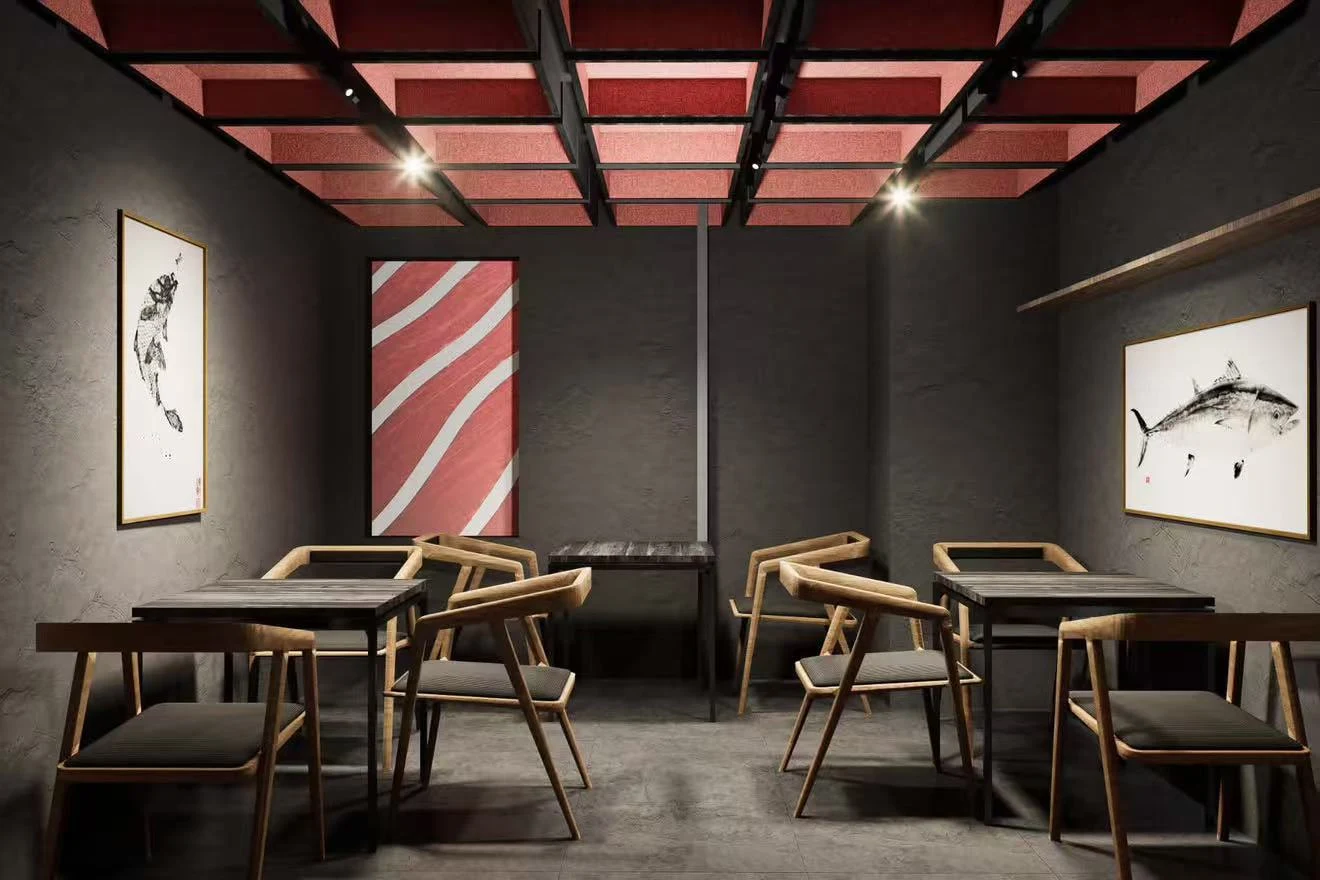

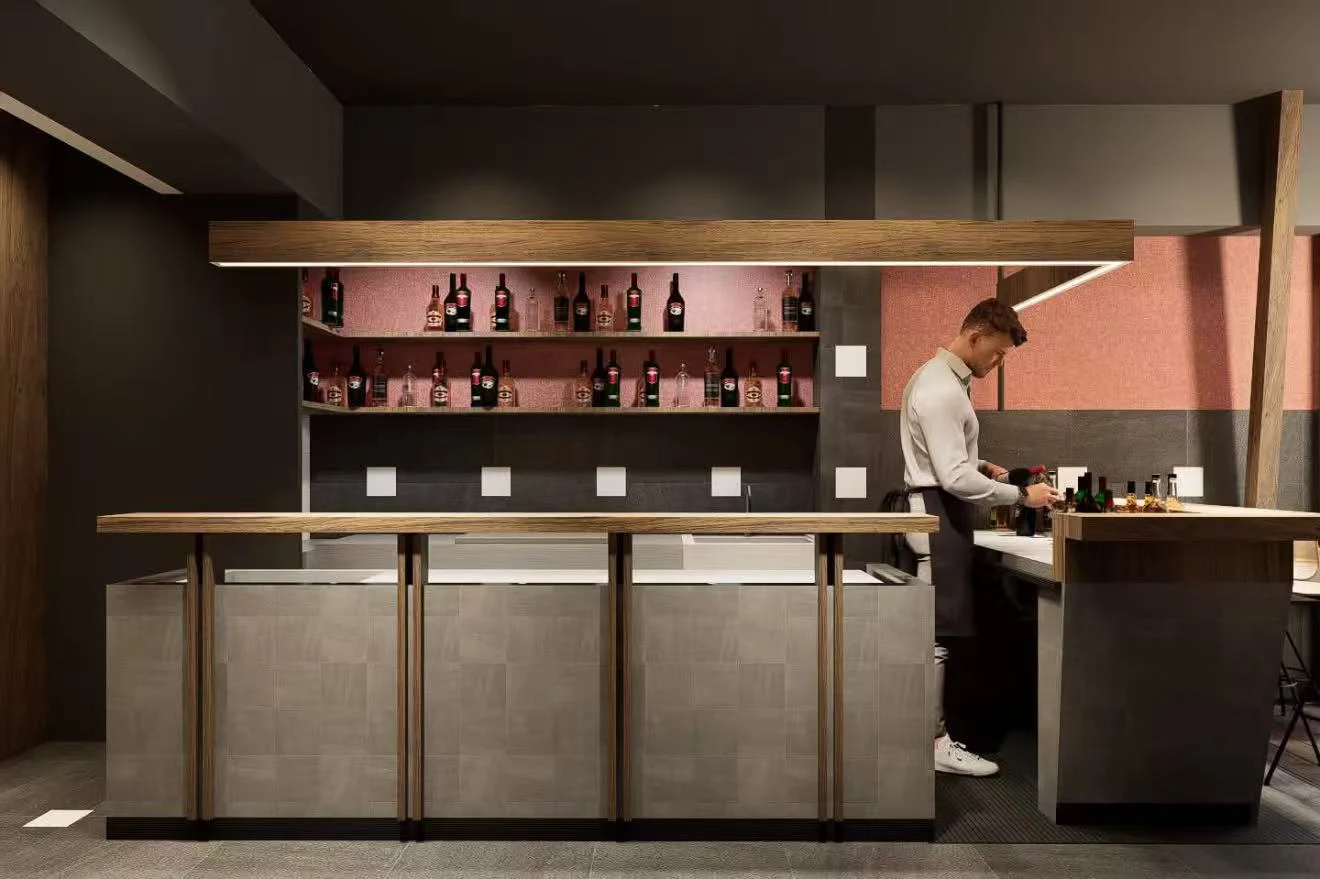
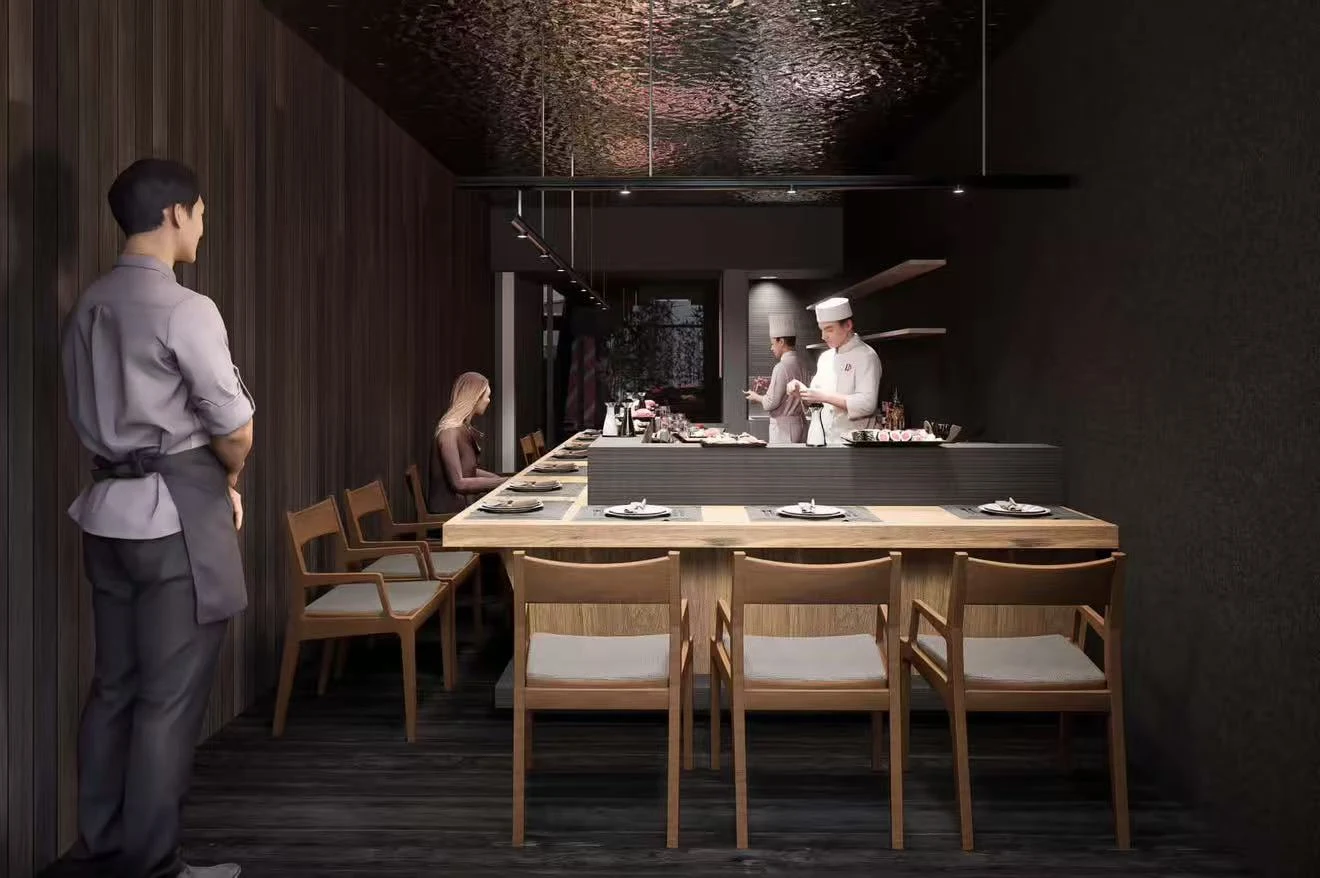
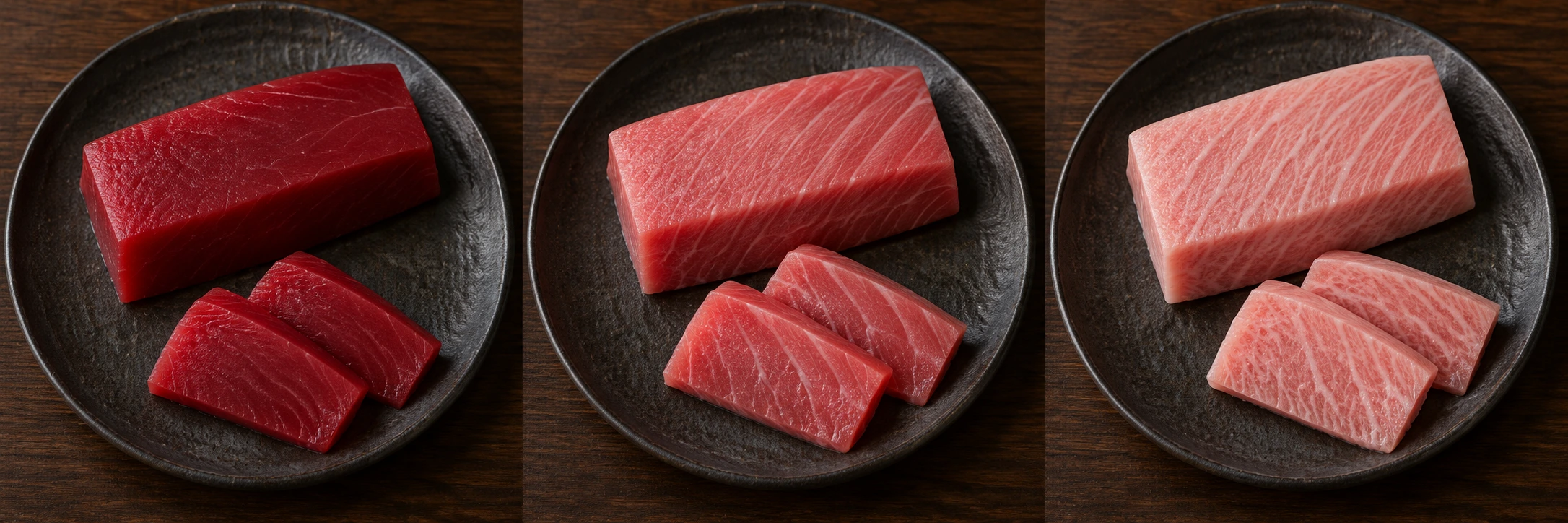


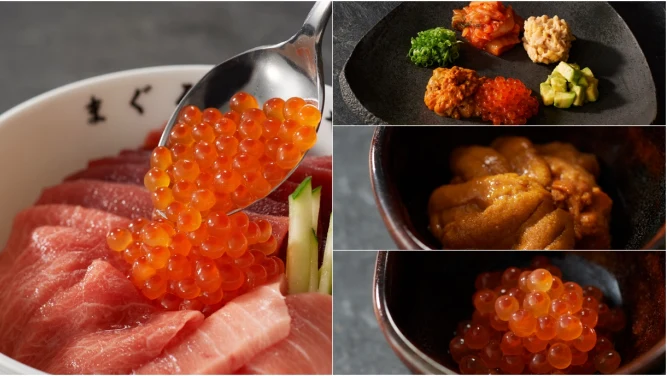
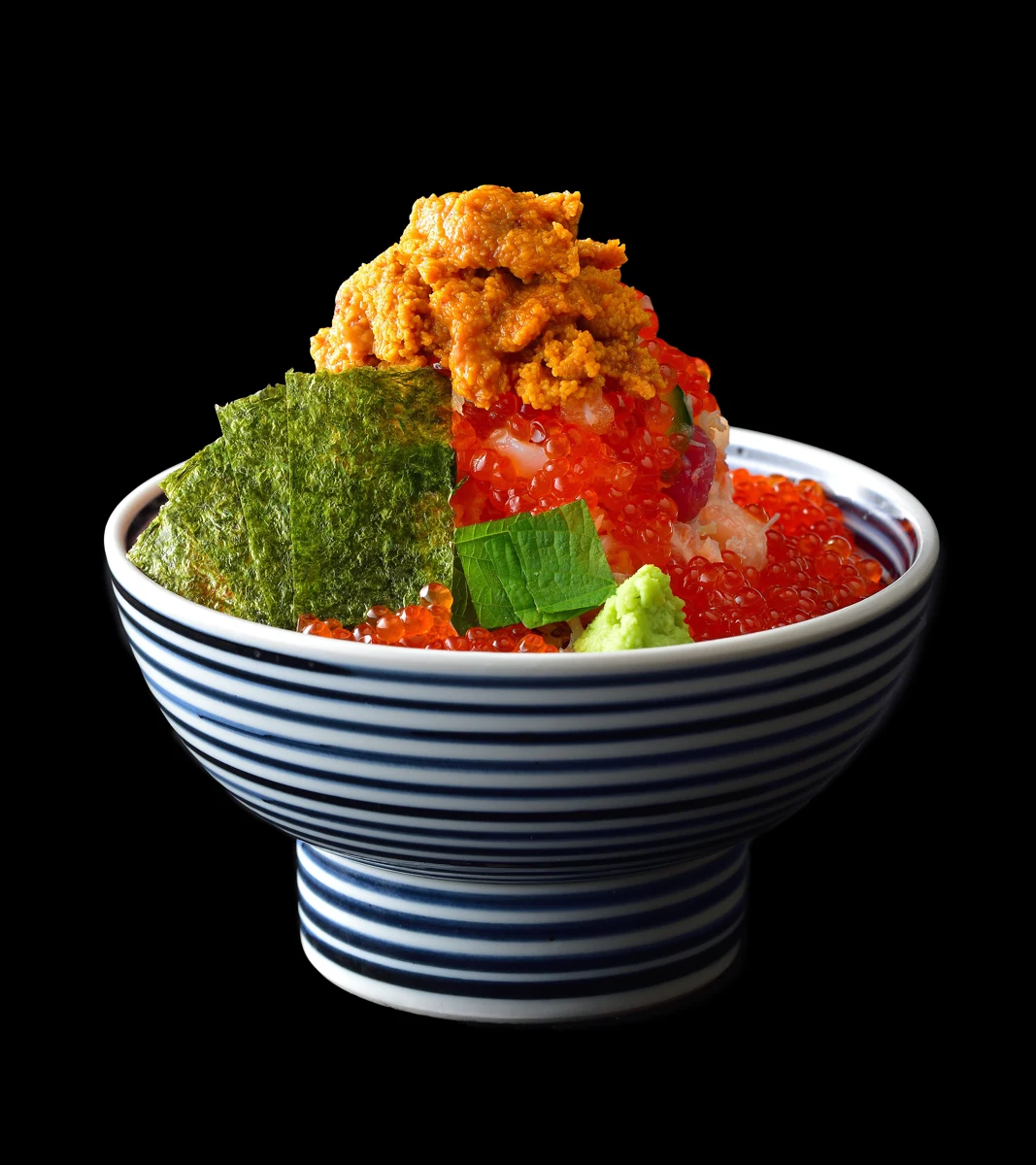
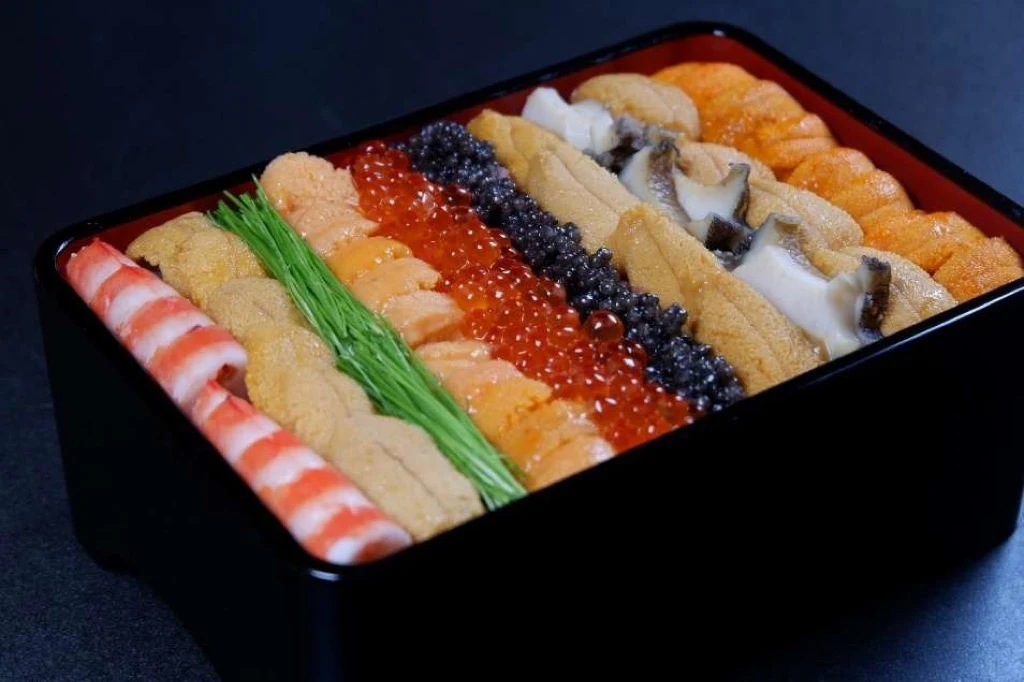


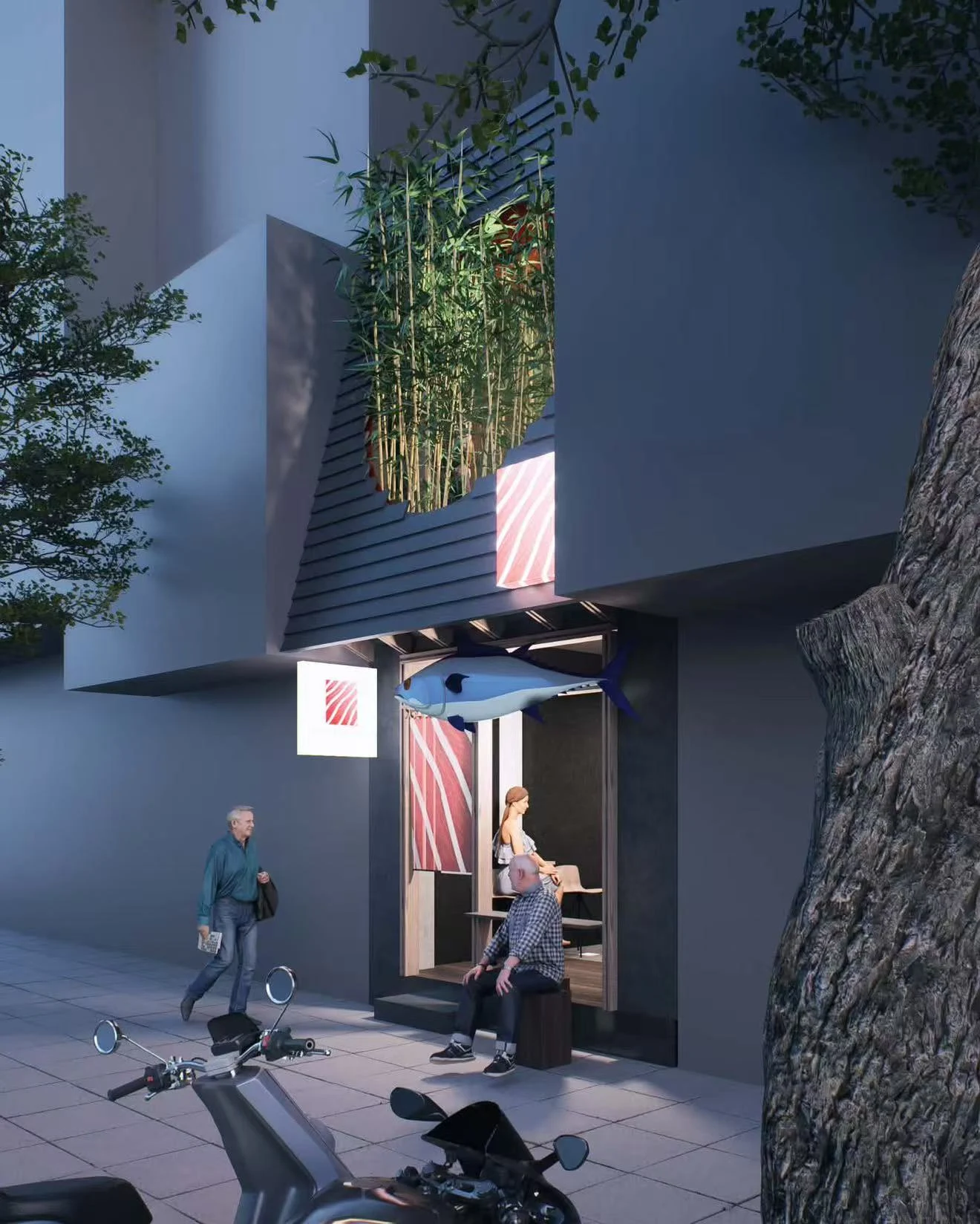
 小红书 · 搜索与到店灵感